
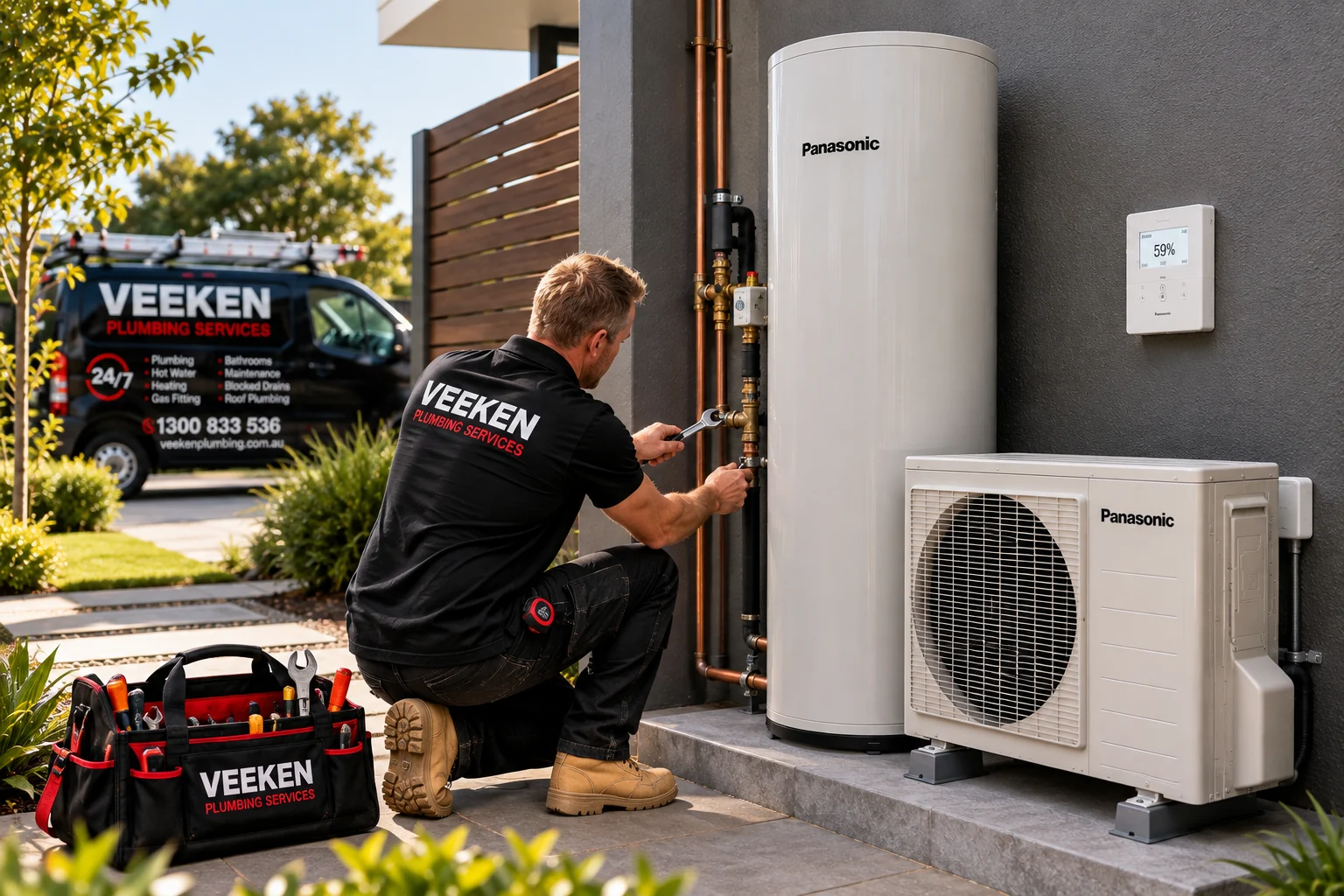
Heat Pump Hot Water Explained
Efficient Hot Water Starts With The Right System And Site Assessment
A heat pump hot water system uses electricity to run a refrigeration circuit that collects heat from the surrounding air and transfers it into water stored in an insulated tank. It is different from a conventional electric storage system, which relies mainly on an electric resistance element to create heat directly.
Veeken Plumbing provides heat pump hot water installation, replacement, repairs and servicing for homes, businesses and managed properties. We assess the existing system, hot water demand, available position, airflow, noise, plumbing, drainage and electrical requirements before recommending an option.
A heat pump can be a practical replacement for a suitable gas or electric hot water system, but it is not automatically the best answer for every property. The right decision depends on how the property uses hot water, the installation conditions, available products and the customer’s priorities.
Compare all hot water system options or speak with our team about the system currently installed at your property.
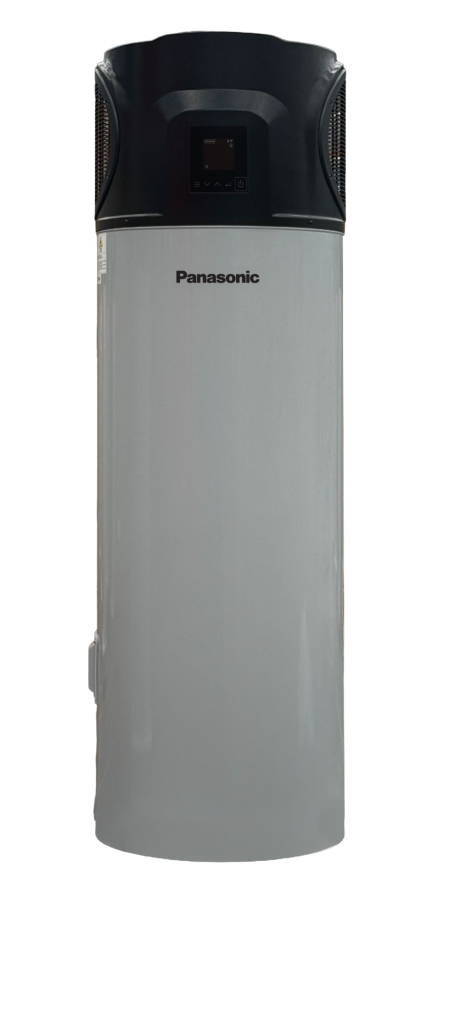
Heating Stored Water With Energy From The Air
A heat pump hot water system uses a refrigeration cycle to collect heat from the surrounding air and transfer it into water stored in an insulated tank. Electricity powers the compressor, fan and controls, while most of the heat delivered to the water is transferred from the surrounding air rather than produced by a conventional resistance element.
Collects Heat From The Air
The outdoor unit draws air across the heat exchanger and the refrigeration circuit captures usable heat from that air. Clear airflow around the equipment is important for normal operation and future servicing.
Transfers Heat Into Stored Water
The refrigeration cycle raises the temperature of the collected heat and transfers it into the hot water system. The heated water is then stored ready for household use.
Controls When The System Runs
Depending on the system, operating modes and timers can help manage when water is heated. The appropriate setup depends on household demand, electricity tariffs, solar generation and the selected equipment.
Is A Heat Pump Suitable?
Start With The Property, Demand And Existing Services
Suitability is not determined by one efficiency figure or tank capacity. A useful recommendation considers how much hot water the property needs, when it is used and what is required to install and support the system properly.
Existing Hot Water System
The type, age and condition of the current system influence the changeover. We consider existing pipework, valves, electrical supply, gas services where relevant, the current position and whether any faults make repair worth considering first.
Daily Demand
Occupant numbers are only a starting point. Shower length, baths, simultaneous use, peak periods and the desired operating schedule all affect storage capacity and recovery requirements.
Installation Conditions
A suitable position needs free airflow, manufacturer clearances, lawful drainage, service access and a practical route for plumbing and electrical work. Noise-sensitive rooms and neighbouring properties also matter.
What We Assess Before Recommending A Heat Pump
Household Demand
People in the household, shower habits, baths and peak hot water use help determine suitable storage and recovery capacity.
Existing Services
We assess the existing hot water system, plumbing, electrical supply, drainage and any gas services affected by the changeover.
Space & Access
The installation position needs appropriate clearances, airflow, drainage, service access and practical pipework routes.
Airflow & Noise
Unit position matters for free airflow and for keeping operating noise appropriately separated from bedrooms and neighbouring properties.
Solar & Tariffs
Existing solar PV and electricity tariffs can influence how the system is configured and when water heating is scheduled.
Controls & Support
Controls, operating modes, warranty requirements, parts availability and future servicing are considered before recommending a system.
Replacing An Existing System
Plan The Complete Changeover, Not Just The New Unit
A replacement can involve more than disconnecting one cylinder and connecting another. The installation plan should account for the existing services, equipment position, required trades, removal and commissioning.
Replacing Gas Hot Water
A heat pump may be considered as an all-electric replacement for gas storage or continuous flow hot water. The scope can include plumbing changes, electrical supply, appropriate gas isolation or disconnection, equipment removal and a new installation position.
Replacing Electric Storage
The existing electrical arrangement and cylinder position still need to be checked. A heat pump has different airflow, noise, drainage and service-access requirements from a conventional electric storage unit.
Replacing An Older Heat Pump
An existing heat pump should be assessed before replacement is assumed. If replacement is appropriate, we review the old system’s performance, repair history, capacity and position rather than automatically repeating the same specification.
Where a customer is deciding between repair and replacement, our hot water repair and hot water replacement pages explain the broader pathways.
Installation Planning
Planning A Heat Pump Installation Around Your Home
A heat pump hot water system needs to be planned as part of the property, not treated as a cylinder that can be placed anywhere. The selected equipment, existing services, daily hot water demand and the available installation area all influence the final position and scope.
The unit must have the clearances and open airflow required by its manufacturer. The position should also allow practical pipework and condensate drainage, keep normal access routes usable and leave enough room for future inspection, servicing and eventual replacement.
Because a heat pump uses a fan and compressor, the location should be considered in relation to bedrooms, living areas, neighbouring properties and boundaries. There is no single distance or noise rule that suits every model and site; the actual equipment and property conditions need to be checked.
The electrical supply, controls and operating schedule also form part of the plan. Rooftop solar, electricity tariffs and preferred heating times may influence when the system runs, but the tank size and recovery still need to support the property’s normal demand.
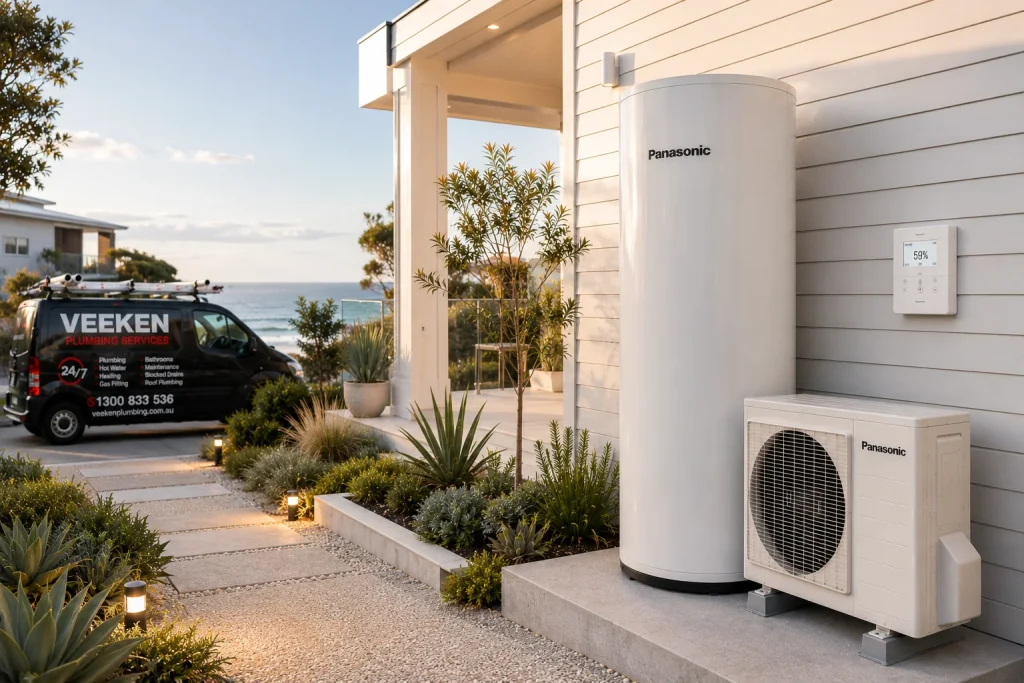
What We Consider
Position & Clearances
We assess the selected model’s manufacturer requirements, nearby walls and obstructions, equipment footprint, pipework routes and the space needed to install and remove the system safely.
Airflow
The heat-pump unit needs an open path to draw in and discharge air. Enclosed or obstructed positions can affect operation, so airflow is checked against the selected equipment and the actual site.
Bedrooms & Neighbours
Fan and compressor sound should be considered near bedrooms, living areas, windows, boundaries and neighbouring properties. Model selection and placement are assessed together rather than applying one universal rule.
Condensate Drainage
Heat-pump operation can produce condensate. The installation needs a practical discharge route that suits the property and does not create avoidable moisture, nuisance or access problems.
Electrical Supply
The available electrical supply, isolation, controls and any required electrical work are checked for the selected system. Requirements vary, so the existing arrangement should not be assumed suitable without assessment.
Solar & Operating Times
Existing rooftop solar, tariffs, timers and operating modes may influence when water is heated. The schedule still needs to leave enough stored hot water and recovery for normal use.
Tank Size & Recovery
Tank capacity and recovery time are considered against household or property demand, peak-use periods and the planned operating schedule rather than occupant numbers alone.
Servicing Access
Future access to controls, service panels, valves and surrounding equipment should be considered from the start. A position that fits the unit but prevents practical maintenance is not a complete plan.
Manufacturer requirements vary between models. The final position and configuration must be checked against the selected equipment and the actual property.
Repairs, Servicing And Replacement
Should You Repair Or Replace A Heat Pump Hot Water System?
No hot water, slow recovery, water around the unit, a fault indication or changed operating noise does not automatically mean the complete heat pump system needs replacement. Similar symptoms can have different causes, so the practical starting point is the identified fault and the condition of the system around it.
The decision can also involve the storage vessel, heat-pump unit, controls, installation condition, repair history, parts availability, applicable warranty information, current hot water demand and the likely value of further work. A repair may be technically possible without being the most sensible long-term option, while an ageing system should not be replaced automatically if a sound repair remains practical.
Where more than one choice is reasonable, we explain the identified fault, what the repair or service would address, known limitations, relevant equipment condition and what a replacement would involve. This allows the customer to compare the immediate work with reliability, likely remaining use, hot water demand and the complete replacement scope.
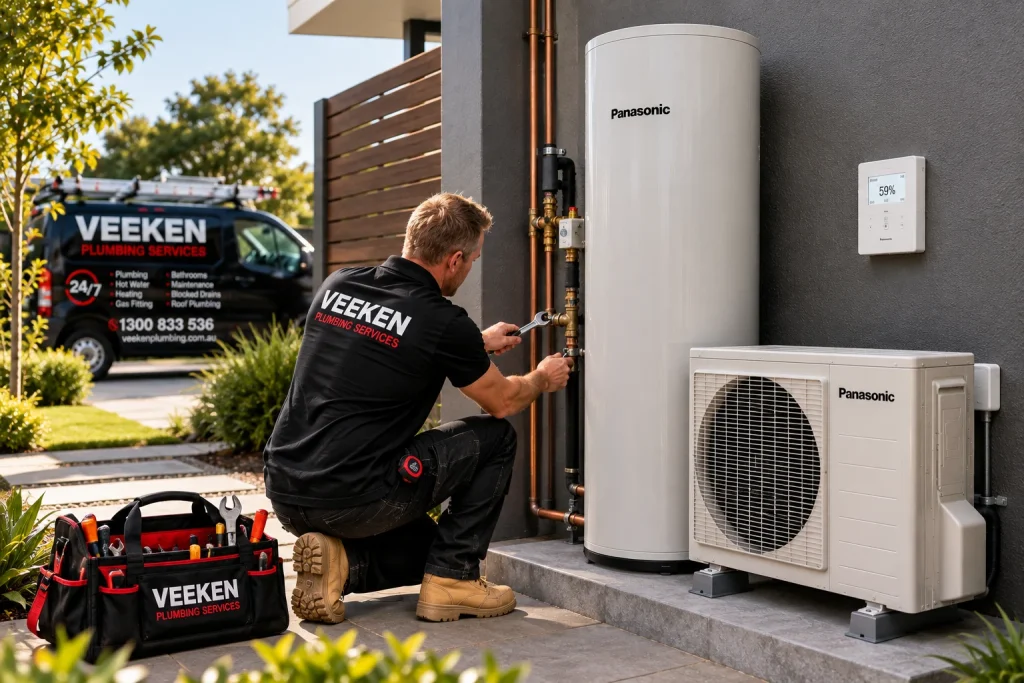
Victorian Rebates And Discounts
Check Current Eligibility Before Work Starts
Eligible Victorian households and some businesses may be able to access support for approved heat pump hot water upgrades through programs such as the Solar Homes hot water rebate and Victorian Energy Upgrades. Eligibility, approved products, provider requirements and application steps can differ between programs and can change over time.
Not every customer receives the same benefit, and an eligible product does not by itself confirm that a property or replacement scenario qualifies. Current requirements should be checked before accepting a quote or authorising non-emergency work.
Veeken Plumbing can discuss the process relevant to a proposed installation, while the program administrators remain the authoritative source for current rules.
Residential And Commercial
Heat Pump Hot Water For Different Property Requirements
Approved Heat Pump Option
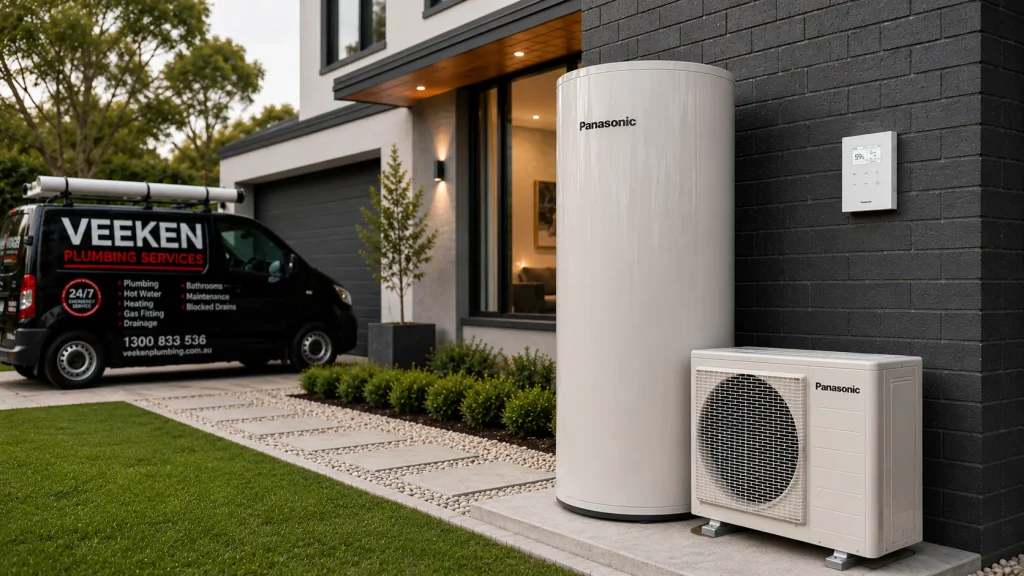
Panasonic Heat Pump Hot Water Systems
Panasonic heat pump hot water systems are one of the options available through Veeken Plumbing. The most suitable system still depends on the property, expected hot water demand, installation conditions and models available at the time of quotation.
Our dedicated Panasonic page explains the system components, installation considerations and common customer questions in more detail.
Heat Pump Service Directory
Explore Our Heat Pump Hot Water Services
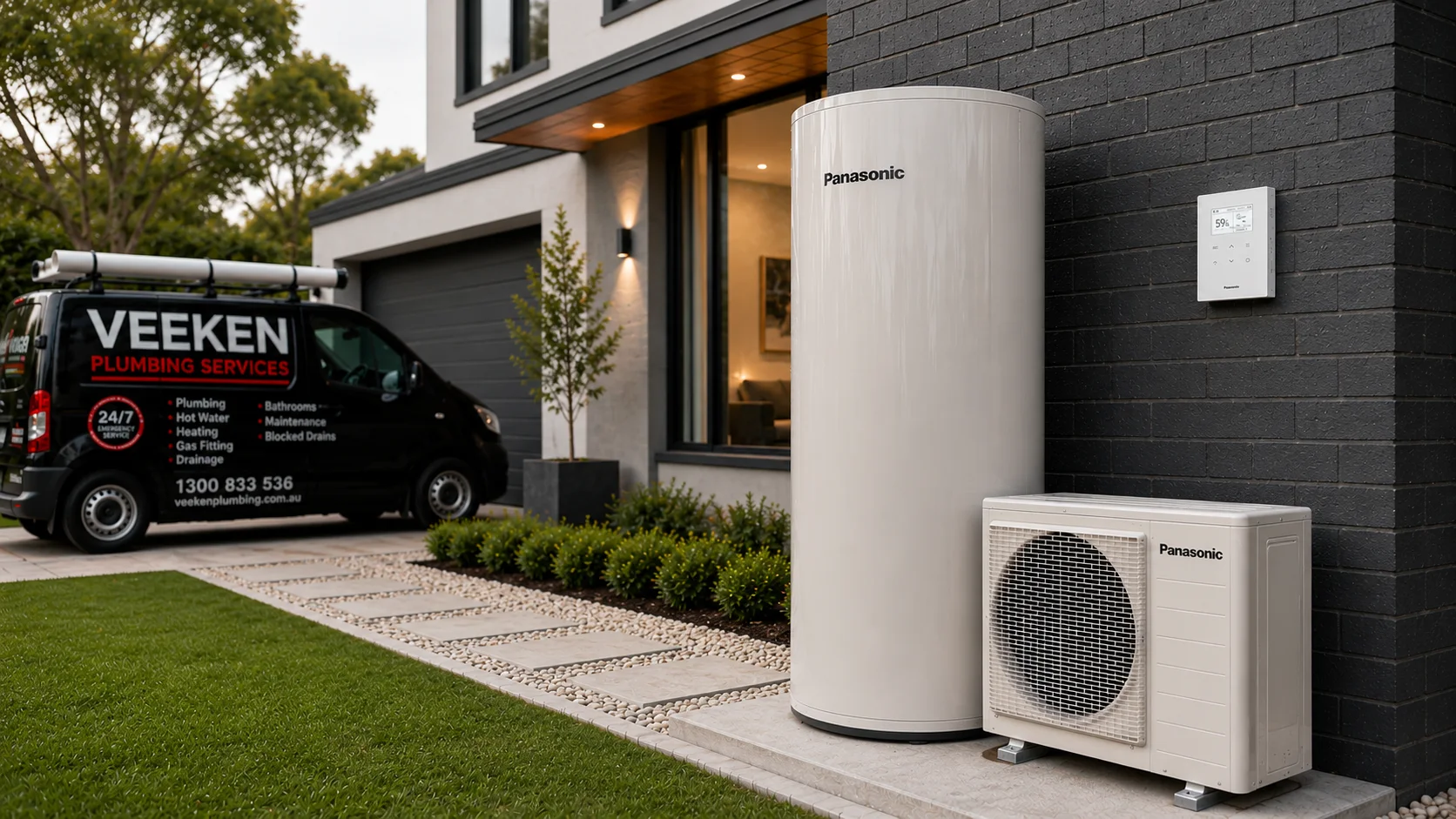
Compare the main Heat Pump hot water pathways below. The right starting point depends on the equipment arrangement, property demand, installation conditions and whether the requirement is residential, managed or commercial.
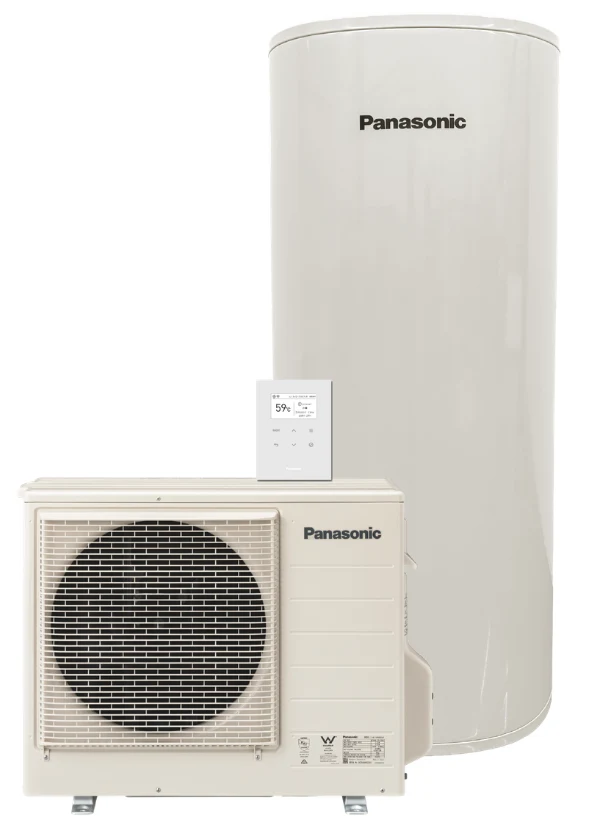
Separate heat-pump and storage-cylinder systems need the equipment position, airflow, tank capacity, services and installation route to be planned together.
Compact all-in-one equipment combines the heat-pump components and storage vessel in one unit. Suitability still depends on demand, position, airflow, drainage, sound and electrical requirements.
Commercial and managed properties require assessment of demand, operating hours, access, downtime, multiple assets and ongoing servicing requirements.
Recent Heat Pump Hot Water Work
Explore completed Heat Pump Hot Water work from Veeken Plumbing.
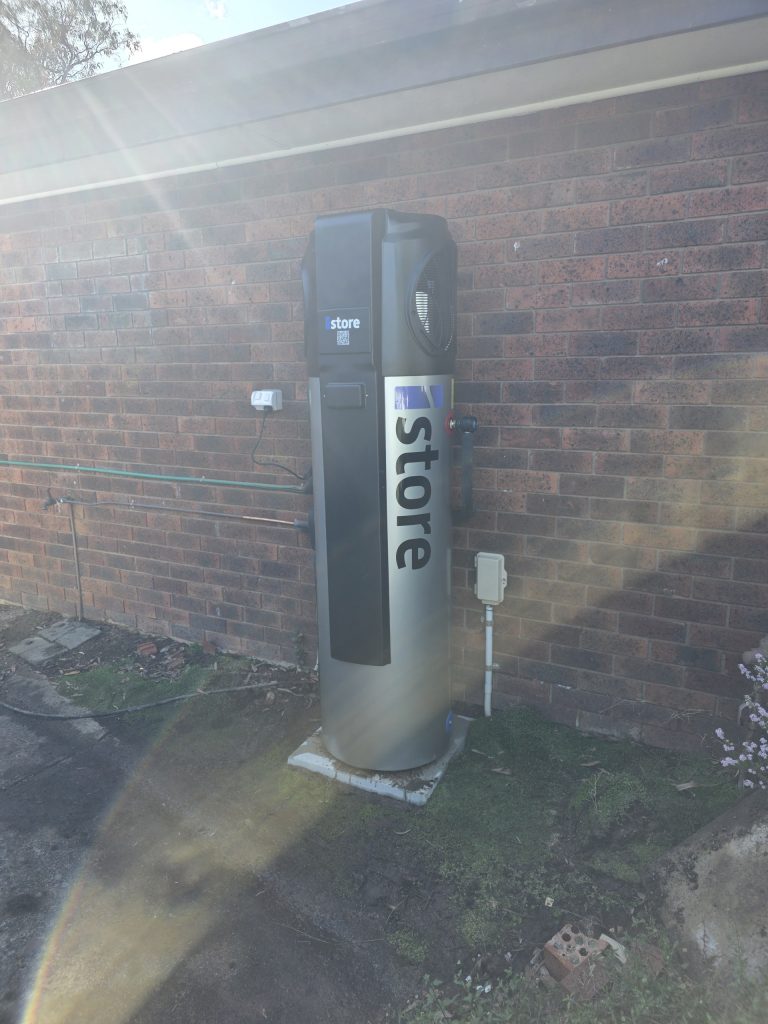
iStore 180 L R290 Heat Pump Hot Water Changeover in Boronia
A failed Vulcan Freeloader gas storage hot water unit replaced with an iStore 180 L R290 all-in-one heat pump hot water system.
View iStore 180 L R290 Heat Pump Hot Water Changeover in Boronia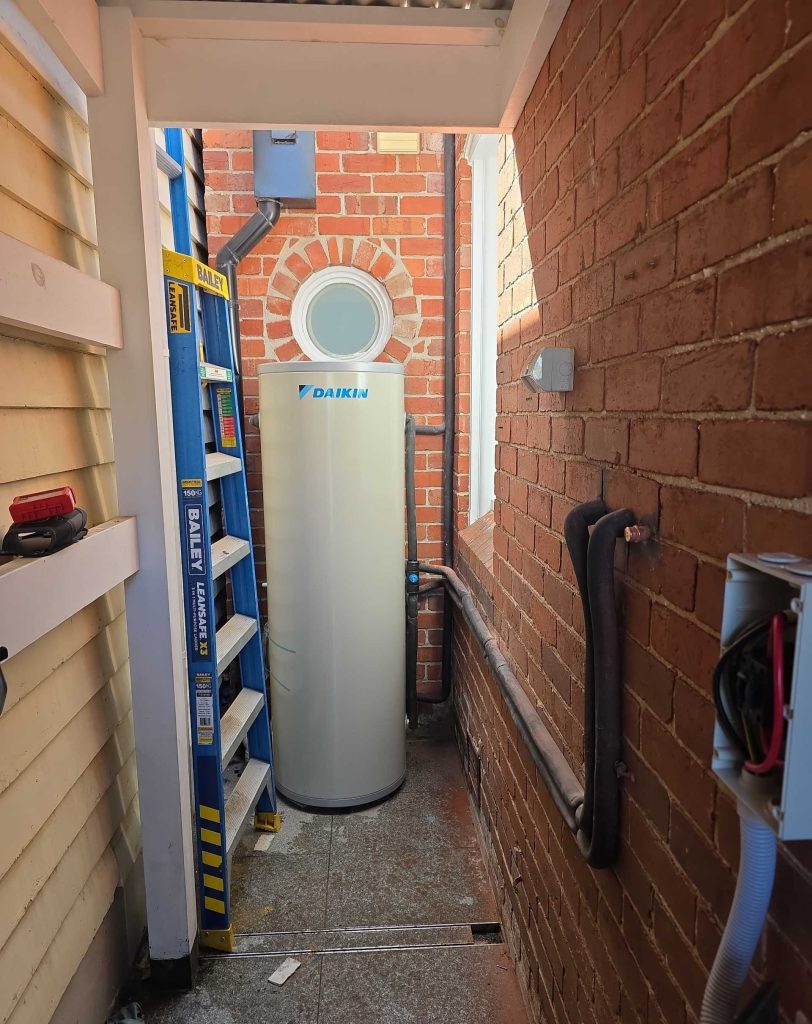
Daikin CO2 Heat Pump Hot Water Changeover in Middle Park
A wall-mounted Rinnai instantaneous gas hot water unit changed over to a Daikin CO2 split heat pump arrangement, with the storage tank in a narrow side passage and the outdoor…
View Daikin CO2 Heat Pump Hot Water Changeover in Middle Park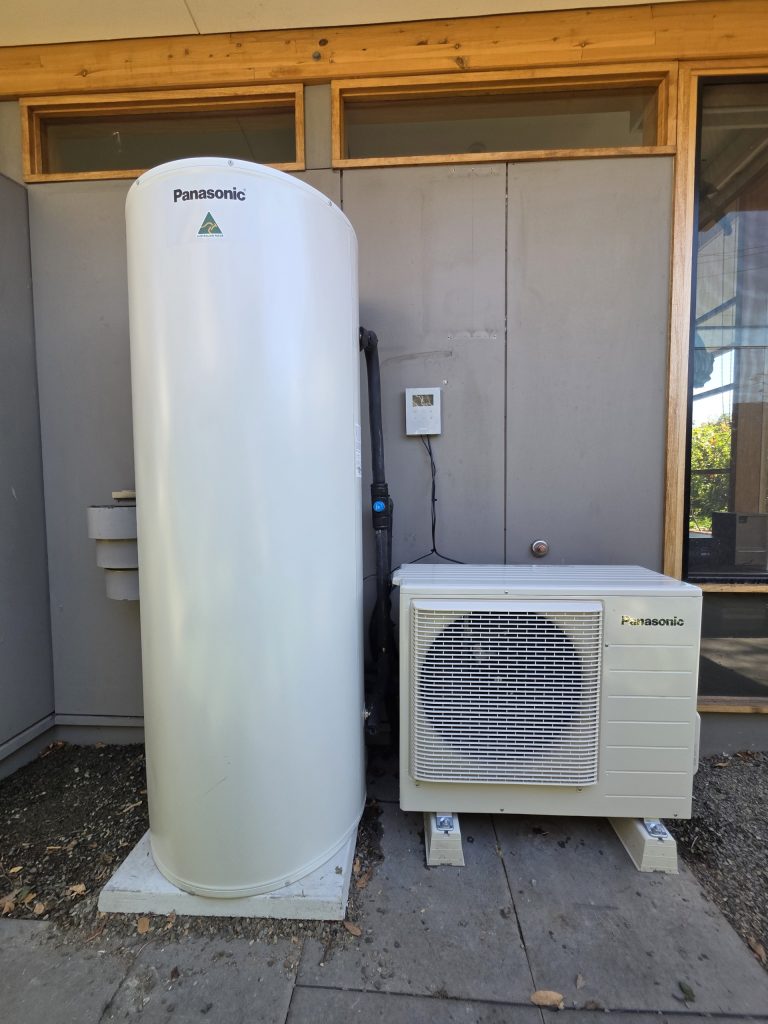
Panasonic CO2 Heat Pump Hot Water Upgrade in Clifton Hill
An ageing gas instantaneous hot water system replaced during a home renovation with a Panasonic CO2 split heat pump, 250 litre stainless steel cylinder, 4 kW outdoor unit and Wi-Fi…
View Panasonic CO2 Heat Pump Hot Water Upgrade in Clifton HillHeat Pump Hot Water Service Areas
Explore detailed local guidance for heat pump hot water installation, replacement, repairs and servicing across our core service locations.

Yarra Ranges
Knox
Maroondah
Check Your Heat Pump Rebate Eligibility
Eligible heat pump hot water installations may qualify for Victorian and Australian Government incentives. Availability and certificate values depend on the property, existing system, selected equipment and current program rules.
Check Your Rebate EligibilityWho takes care of the rebates?
Veeken Plumbing manages the rebate process and guides you through any information, applications or approvals you need to provide. We explain the rebates that may apply to your proposed system and confirm applicable discounts in your quote. Eligibility criteria and certificate values can vary, and program administrators make final eligibility decisions.
Common Questions
Heat Pump Hot Water FAQs
How does a heat pump hot water system work?
A refrigeration circuit collects heat from the surrounding air and transfers it into water stored in an insulated tank. Electricity powers the compressor, fan and controls, while most of the delivered heat is transferred from the air rather than created by a conventional resistance element.
Is a heat pump hot water system suitable for every property?
No. Suitability depends on hot water demand, available position, airflow, noise-sensitive areas, plumbing, drainage, electrical supply, the existing system and the customer’s priorities. We assess those conditions before recommending a system.
Can a heat pump replace a gas hot water system?
It may be a suitable all-electric replacement. The scope can include electrical work, plumbing changes and appropriate isolation or disconnection of the existing gas service. The property and current installation need to be assessed first.
Can it replace conventional electric storage?
Yes, in suitable properties. The existing position and electrical arrangement still need review because a heat pump has different airflow, noise, drainage and service-access requirements from a conventional electric cylinder.
What size heat pump hot water system do I need?
System sizing depends on occupants, shower and bath use, simultaneous demand, peak periods, storage capacity, recovery characteristics and operating schedule. We do not prescribe one tank size for every household with the same bedroom count.
Where should a heat pump hot water system be installed?
The position needs suitable airflow, model-specific clearances, lawful drainage and service access. Pipework routes, bedrooms, living areas, boundaries and neighbouring properties also need consideration.
Are heat pump hot water systems noisy?
Heat pumps contain a fan and compressor, so they make operating noise. Noise levels vary by model and conditions. Thoughtful product selection and placement away from noise-sensitive areas are important.
Can rooftop solar work with heat pump hot water?
A grid-connected heat pump still uses the property’s electrical supply, but compatible timers or controls may allow more water heating during solar generation hours. The appropriate schedule depends on the system, household demand, tariffs and solar arrangement.
Are rebates available for heat pump hot water?
Victorian rebates or discounts may be available for eligible customers, products and replacement scenarios. Program rules and approved lists change, so current eligibility should be checked with Solar Victoria and Victorian Energy Upgrades before work starts.
Can an existing heat pump system be repaired?
Often, yes. Repair viability depends on the fault, age, condition, model, warranty, parts availability and repair history. A site assessment is needed before a repair or replacement recommendation can be made.
How often does a heat pump hot water system need servicing?
Service requirements vary by manufacturer, model and installation. Follow the maintenance and warranty information supplied with the equipment, and arrange an assessment if performance, recovery, noise or operation changes.
How long does heat pump installation take?
Timing depends on the existing system, access, plumbing changes, electrical requirements, gas work where relevant and the selected equipment. We explain the expected scope and timing after assessing the property.