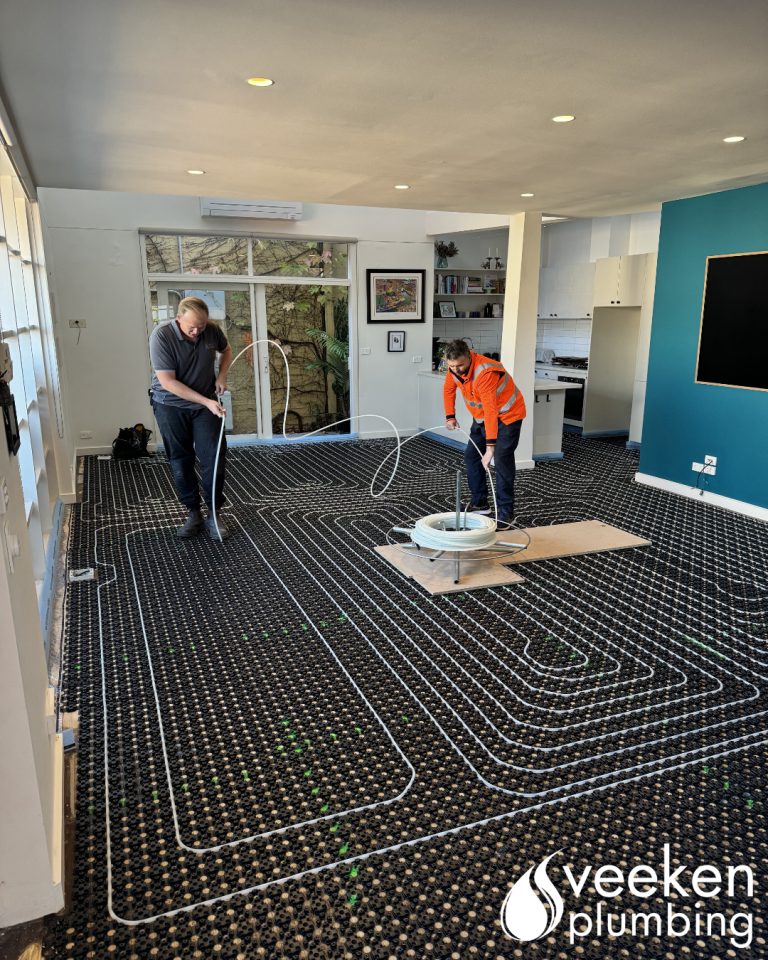
With a residential hydronic heating system, water (from an electric, natural gas or propane powered boiler) runs through a series of pumps and controls. This water then heats radiators, convectors or in-floor heating panels.
This system eliminates the need for air ducts that take up space in walls and ceilings. It also reduces dust, noise and energy usage.
Cost
Rather than heat the air, hydronic systems warm objects in your home such as walls, floorboards and radiators. This gives a comfortable and consistent distribution of non-drying heat without cold spots.
It’s also more allergy and asthma-friendly as it doesn’t rely on forced air ducts to circulate the air. Dust, pollen and pet dander can accumulate inside these ducts and be blown into your house.
Ductwork can take up a large amount of space in the ceilings and walls, while retrofitting is expensive. Hydronic heating systems instead use tubes that can be attached to the floor joists or hidden in the walls. This can save you money in installation costs and running costs. Plus, it is quieter. This is because it doesn’t have the instant on and off cycles that cause turbulence.
Energy Efficiency
Radiant heat only warms things that are in its line of sight so it doesn’t spread dust, pollutants and pet dander throughout the home as forced air systems do. This means that a hydronic heating system is one of the most energy efficient forms of heating you can get for your home.
Another advantage of a hydronic system is that it doesn’t require ductwork to circulate. This makes it a better choice for homes that have no existing ductwork as retrofitting a new ducted system can be expensive. The pipes in a hydronic system can be easily installed into the walls and floors of your home, reducing the cost of installation.
Hydronic heating also has the potential to be more energy efficient than forced air systems. This is because they heat the space via thermal radiation rather than circulating air, and this can be done at lower temperatures, saving on energy costs.
Humidity Control
Unlike air-based heating systems, hydronic systems use hot water to propel heat into the space. This means that the system isn’t circulating the air, and the resulting dry indoor environment could be an issue for people with sensitive skin.
Fortunately, these issues are less common with radiant heating, which doesn’t spread allergens like forced air systems can. Dirty ducts can stir up dust, pollen, pet dander and other pollutants that can trigger respiratory problems, headaches, fatigue, and general lethargy.
Ducts also take up a lot of space in walls and ceilings, making them difficult to add in existing buildings. On the other hand, hydronic systems can be easily installed in new construction by routing tubing through floor joists or beneath the floors. This can help save on installation costs.
Noise
Any system will generate some noise as it operates, but it is important to recognize when these sounds indicate a need for repair. For example, squealing pumps are often caused by pump bearings that wear out or other mechanical problems.
Radiant systems also don’t require air ducts and large chases that can take up valuable square footage in your home. Instead, tubes can be hidden within walls to give you the option of heating your entire house or just certain rooms.
With warm-air systems, air ducts create turbulence that can stir up dust, pet dander and other indoor allergens. This can cause allergic reactions in some people. By contrast, a hydronic system gently circulates water throughout the home to keep surfaces clean. This reduces the amount of dirt particles in your home and can improve your indoor air quality.
Installation
A hydronic heating system consists of a boiler that heats water to a thermostatically controlled temperature, radiators or baseboard heaters that distribute the hot water throughout your home, and piping that transports heated water and returns cooled water back to the boiler. Boilers can be powered by gas, oil or off-peak electricity.
A residential hydronic heating system is typically installed in new construction but can be retrofitted into an existing home. Costs vary based on installation method and your home’s specific requirements.