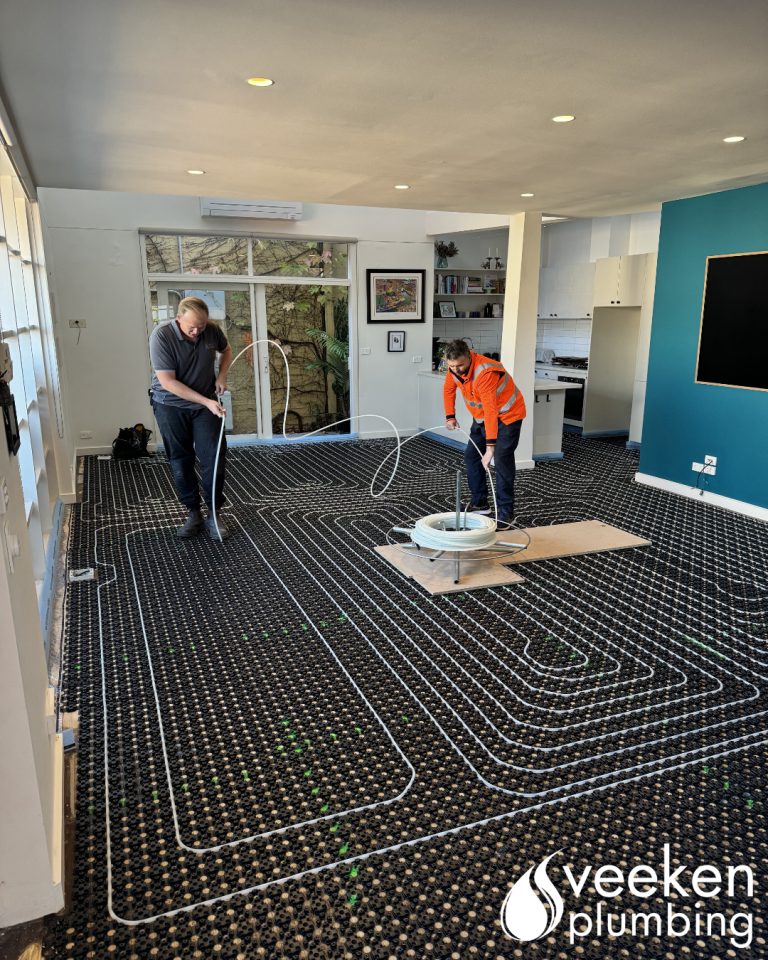
There are many types of hydronic heating systems to choose from, and each one has its own advantages. Whether you’re building a new home or renovating an existing one, it’s important to know what you’re getting into before installing any type of heating system.
Hydronic systems use hot water to move heat from a source like a gas boiler through piping to every room in your home. They’re also one of the safest forms of climate control for your home.
Radiant Heating
Radiant heating is one of the most popular forms of home heating. It is an efficient form of heat and can save you money on your energy bills.
It also provides a more comfortable heat and doesn’t cause the air to push out, like other forms of heating. This is particularly important if you have allergies.
Hydronic radiant systems use a series of pipes to carry hot water or alternative liquids under floors, around baseboard heaters, or through radiators.
A hydronic system uses little electricity, a benefit for off-grid homes and those with high electricity costs.
The heat from the liquid is then radiated to the walls or floor above, which can provide a comfortable feel.
There are a few different types of hydronic heating systems, but they all provide a warm, comfortable space and can be very energy efficient. They are more expensive to install than other forms of heating, but they can be worth it in the long run.
Underfloor Heating
Underfloor heating (UFH) is an energy efficient, aesthetically appealing and comfortable way to heat homes. It works by distributing a lower temperature of heated water through a network of pipes under the floor.
The main types of underfloor heating systems are electric and water based, with different options available for various flooring surfaces. The former uses thin wires or matting to distribute heat, while the latter uses water pumped through pipes within the screed.
Electric systems are quick to install, require no maintenance and run on the domestic electricity supply. They also warm up quicker than water-based systems and can be installed in a variety of floor shapes.
A hydronic underfloor heating system, on the other hand, circulates warm water through a series of plastic pipes hidden beneath the floor. They are often used for new builds, but can also be fitted to existing homes.
Open Loop Heating
Open loop systems draw water from a source of heat, such as a well, and circulate it through a pipe. The water is then sent to radiators and other heating devices to transfer the heat to the home.
One of the easiest ways to tell an open loop system from a closed loop system is by looking for a flat pan-shaped heat exchanger. These can be located at the point where a mixing valve separates domestic water from heating water or directly at the pump.
Another distinguishing characteristic of open loop systems is the use of a 24 hour timer on the circulation pump. This helps keep stagnant water from sitting in the pipes all summer and potentially flushing it into your domestic water supply when the system goes off.
Although open loops are still used in some parts of the country, closed loop systems have taken over the market. The main reason is a combination of major technological improvements and environmental concerns.
Convectors
Convectors are a type of hydronic heating system that uses hot water as a medium for transferring heat throughout the building. They can be used in homes or commercial buildings.
They are usually installed in hallways, waiting rooms and other common areas. They provide a large amount of space-saving heat.
These units work by circulating heated water through a tube, which is surrounded by small fins. The fins conduct the heat to air particles, which rise and cool down to warm up the room.
Some wall-mounted convector heaters also use a blower fan to increase the heating output. The energy source for these systems can be forced hot water, gravity hot water, steam or electricity.
In commercial applications, convector heaters can be recessed or surface mounted and come in a variety of styles to complement and blend into the interior space. They also provide an excellent method of heating spaces that are difficult to access from the floor.