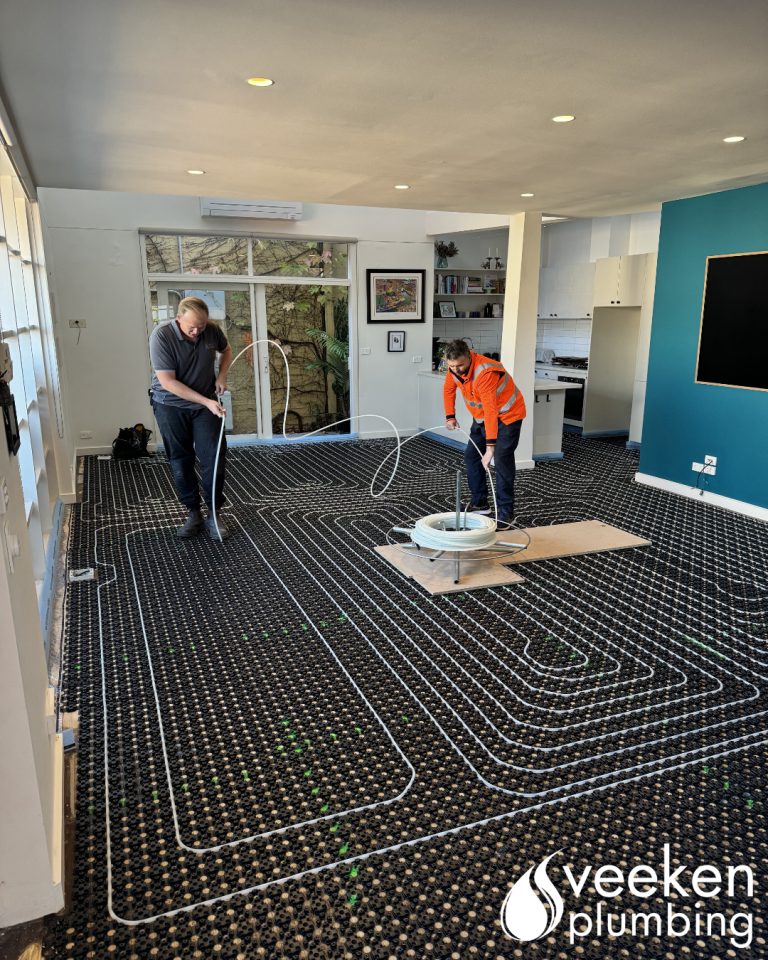
A residential hydronic system uses water, heated by a boiler, to heat your home. It’s then distributed throughout the house with radiators or baseboards.
Forced-air systems use ductwork to distribute air. This airflow stirs up dust, pollen, pet dander and other allergens, which is why these systems require air filters.
Cleaner Air
Unlike forced air systems, hydronics produce cleaner air by heating filtered water that’s recirculated. This method is less costly and uses energy more efficiently than other types of heating systems.
According to Abajian, a new trend in residential hydronics is installing smart controls to improve performance and reduce energy consumption. “Smart thermostats and integrated circulator controls are rapidly becoming the fastest growing influence on the market,” he says.
With forced-air systems, blower-powered units push air throughout the house to distribute heat. The rapid agitation of this air stirs up dirt particles, dust and other allergens and can activate allergies and asthma. However, a radiant system doesn’t disturb the dust in living spaces as it gently moves heat through walls and floors. This is a better solution for homeowners with asthma and breathing challenges. It also reduces moisture in the basement, which can lead to mold and mildew. This can be a problem in many homes with conventional heating.
Less Noise
Unlike forced air systems that pump out warm air, which produces noises like groans and creaks as it circulates, hydronic heating quietly heats rooms with radiant floor and baseboard heaters. Plus, it doesn’t need the air ducts that take up space in ceilings and walls.
Hydronic heating systems are quieter because they operate on a closed-loop system of circulating filtered water, rather than heated air. The closed-loop system also makes it more efficient, as the water is a much better conductor of heat than air and limits energy loss.
Schannath says that control technology is one of the fastest growing influences on the hydronics market, from’smart’ thermostats to integrated circulator controls. Having the right components in place helps mechanical contractors more effectively troubleshoot a hydronic system, which improves performance and cuts costs.
No Ducts
Unlike forced air systems, hydronic systems do not create ductwork. This is great news for homeowners who are looking for a quieter and cleaner system. Forced-air systems use air ducts to push air through rooms to regulate the temperature, which can stir up dust, pollen, pet dander, and other indoor air pollutants. Air ducts also take up valuable space in walls and ceilings, and they can be difficult to install or retrofit. Hydronic systems operate without ducts, and tubes are typically attached to floor joists or hidden in walls.
While this is a big benefit, it is important to keep in mind that the plumbing involved with a hydronic system will occupy space and affect curtain and furniture placement. Additionally, the system must have access to an expansion tank for periodic draining. Therefore, hydronic systems are best suited for new construction or major renovation projects. Even so, they offer many advantages that make them a great choice for existing homes.
Save Money
A residential hydronic system is an efficient alternative to ducting because it heats spaces with in-floor and wall tubing filled with hot water. The system is powered by a boiler that can be heated with natural gas – one of the cheapest heating fuels available in Canada.
Hydronic systems are also quieter and more energy-efficient than forced-air systems. Air-based systems blow air around the house and can cause turbulence that disturbs dust and other particles, causing them to circulate throughout the home. The movement of these particles can irritate the respiratory system, contributing to sneezing and allergies.
Since radiant and baseboard hydronic systems are low to the ground, they warm the occupants of a room directly rather than distributing heat through the air. This means that people feel warmer and spend less money on heating costs compared to a forced-air system. Additionally, because a hydronic system is hidden in floors and walls, it takes up far less space than a duct system and can be easily installed/retrofitted in new homes or existing buildings that don’t have ductwork.