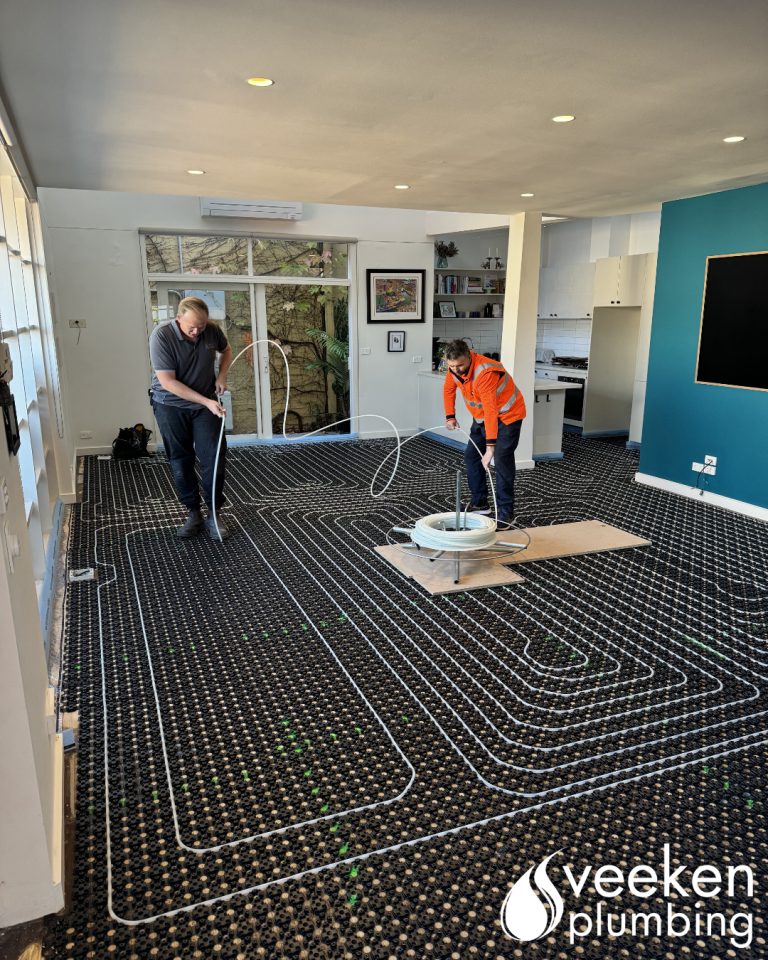
Unlike traditional systems that blast air into the space they heat the surfaces of your home. This allows the senses of touch, smell and taste to enjoy a more natural warmth.
Devex Systen supplied Barbi push fittings are a simple and reliable solution for connecting cross-linked polyethylene (PEX) or Multilayer pipes in hydronic floor heating systems. This helps installers save time and labour cost with a secure leak-free connection.
Cost-Effectiveness
With heating occurring beneath the floor, a hydronic system is a discreet, invisible heating solution. This makes it perfect for modern homes where the hardware of traditional central heat systems can detract from a contemporary design.
A piping network is run under the floor and is powered by either a boiler or water heater. For those who already have a boiler, converting to an underfloor system is often less expensive than extending your existing heating system with ductwork.
As well as being an energy efficient option, radiant flooring also has some health benefits. It doesn’t overheat the air, reducing dry sinuses and itchy skin. It also doesn’t create turbulence in the room that can cause dust particles to circulate.
Durability
Hydronic floor heating systems are very durable and can last for 20+ years with little to no maintenance. They can be powered by gas, oil, electricity or renewable energy sources such as solar or geothermal. They also operate quietly as they don’t require blowing air to distribute heat.
In addition, these systems are not prone to ductwork leaks and won’t affect humidity levels as forced air systems do. They are also highly efficient as they use less energy to heat the floor than other systems.
An added benefit of a hydronic system is that it can be used under various floor surfaces and can be zoning-enabled to ensure lower energy costs for each room. This makes it an attractive option for new homes and can significantly increase resale value in existing properties. An electric underfloor heating system can be installed by a tiler, builder or home owner themselves making it a quick and simple retrofit.
Energy Efficiency
A hydronic underfloor heating system uses water or a mixture of water and anti-freeze (such as Propylene Glycol) as the heat transfer fluid. The hot water circulates through a series of pipes, which are usually made from PEX. This tubing is embedded within the floor or in a panel such as the lightweight aluminum RAUPanel or Infloorboard.
These systems are much more energy efficient than forced air systems and can save on energy bills. They are also quieter as they do not rely on ducts that displace air. The brisk airflow of force-air systems can stir up dust, pet dander, and other indoor allergens.
Adding an underfloor heating system to a new home is relatively straightforward, but retrofitting one into an existing home can be more complicated and costly. This is because the system requires a boiler, a pump, and gas lines which can be expensive to install.
Customisation
With a hydronic system, heated water runs through loops of flexible plastic tubing called PEX that are installed beneath your floor surface. The system then broadcasts warmth throughout the floor and up into the space above. This is a much more efficient way to warm homes, offices and commercial spaces and can save on energy bills.
A hydronic underfloor heating system can be used in a wide range of floor coverings, including carpet, timber and a variety of tiles. It can also be zoned, providing you with the option to turn on only the parts of the home you want heated.
It’s important to note that underfloor heating isn’t necessarily more expensive to run than reverse cycle air conditioning or gas ducted systems. This is because underfloor heating keeps running costs low by keeping your house warmer longer. This is due to the layer of insulation underneath the floor preventing downward heat loss. This can be a big saving for you over time.