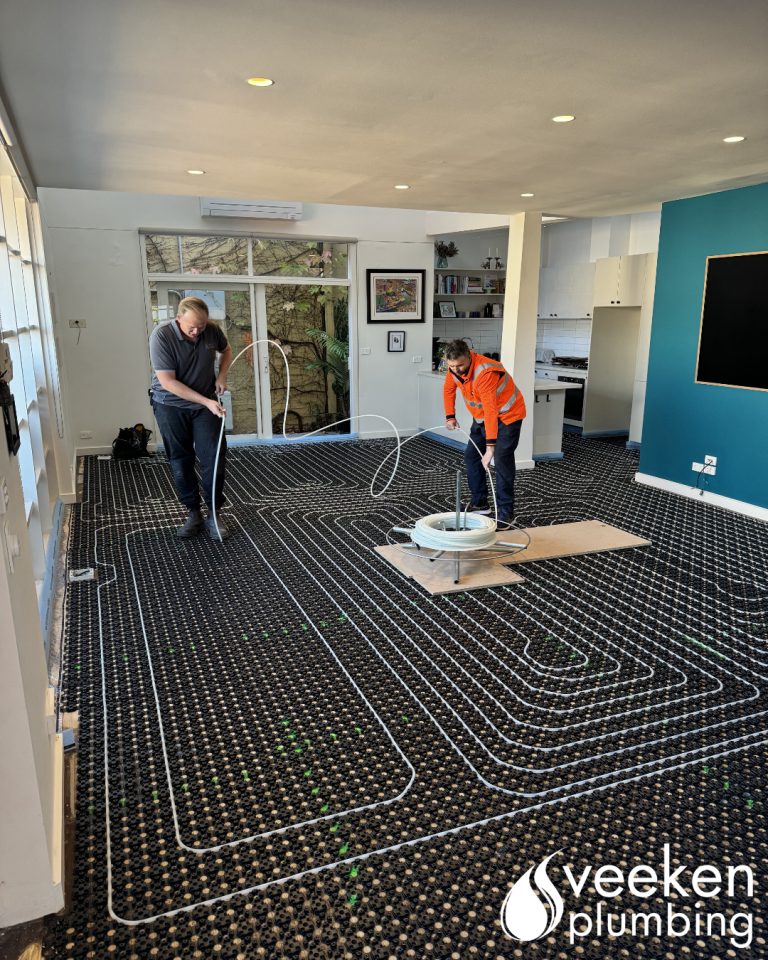
If you’re looking to add a high-quality, cost-effective heating system to your home, hydronic home heating may be a good option. It offers many benefits over traditional forced air systems, such as efficiency, control and safety.
Hydronic systems heat your home with heated water instead of air, which means they’re more energy efficient and quieter than forced air systems. This is because the circulating hot water absorbs more heat than air.
Efficiency
If you’re looking for an energy-efficient way to heat your home, hydronic heating is a great option. It can be up to 70 percent more efficient than electricity-dependent systems, thanks in part to the fact that water conducts heat much better than air.
One of the biggest advantages of hydronic home heating is its ability to evenly distribute heated water throughout your house. This eliminates cold spots and uneven temperatures in your home, making it more comfortable for all members of your family.
The other advantage of hydronic heating is that it’s cleaner than other types of heating. Forced-air systems use ducts to push air into rooms, but this brisk moving air can stir up dust, pollen, pet dander and other contaminants.
Control
If you’re in the market for a new hydronic home heating system, it’s important to choose one that is well-designed and paired with a control system that makes it easy for homeowners to operate. That’s the best way to avoid costly repairs and maintain a comfortable environment.
A hydronic system is made up of a boiler, which heats water, and pipes that distribute the heated liquid throughout the home. A hydronic system is also often combined with a heat pump to improve its efficiency and save energy.
When a hydronic system is well-maintained, it can last for years without requiring expensive repairs. That’s why it’s important to form good maintenance habits, such as arranging yearly inspections and tune-ups by professional technicians.
Humidity
During the winter, low humidity in your home can lead to respiratory problems, dry skin and static electricity, among other things. To remedy this, there are several ways you can increase your indoor humidity level.
First, you can use a hygrometer to test your humidity levels. A thermostat may also track and record this information, so you can keep an eye on it and make sure your home isn’t too humid or too dry.
To boost your home’s humidity, place metal or ceramic bowls full of water on top of radiators or near heating vents to help transfer moisture into the air. This also helps to slow down the evaporation process.
Noise
Hydronic systems are quieter than forced-air heating systems because they don’t displace air. They also don’t produce the groans and creaks that are heard from warm air as it travels through air ducts.
The water in a hydronic system circulates through sealed pipes to radiators in your home. These tubes can be attached to floor joists or hidden in walls and routed around existing piping.
When the water in a hydronic system gets too hot, it turns into steam. This can cause the circulating water to expand, making it sound like a rattling noise.
Fortunately, hydronic heating systems have air bleed valves at or near each radiator that can be used to eliminate this trapped air. Using these valves will reduce the noise and increase system efficiency, while eliminating air buildup from your water lines.
Cost
Hydronic home heating is a great choice for saving money on your energy bill. It can cut energy costs by up to 40% compared to forced air and heat pumps, and it can also improve your home’s comfort.
Hydronic systems use water for distributing heat through your home, instead of air. This is because water conducts heat better than air, and it doesn’t lose as much energy during delivery.
Another benefit of a hydronic system is that it doesn’t dry out your home like a forced-air system does. Air drying can cause your walls, windows and insulation to become damp.