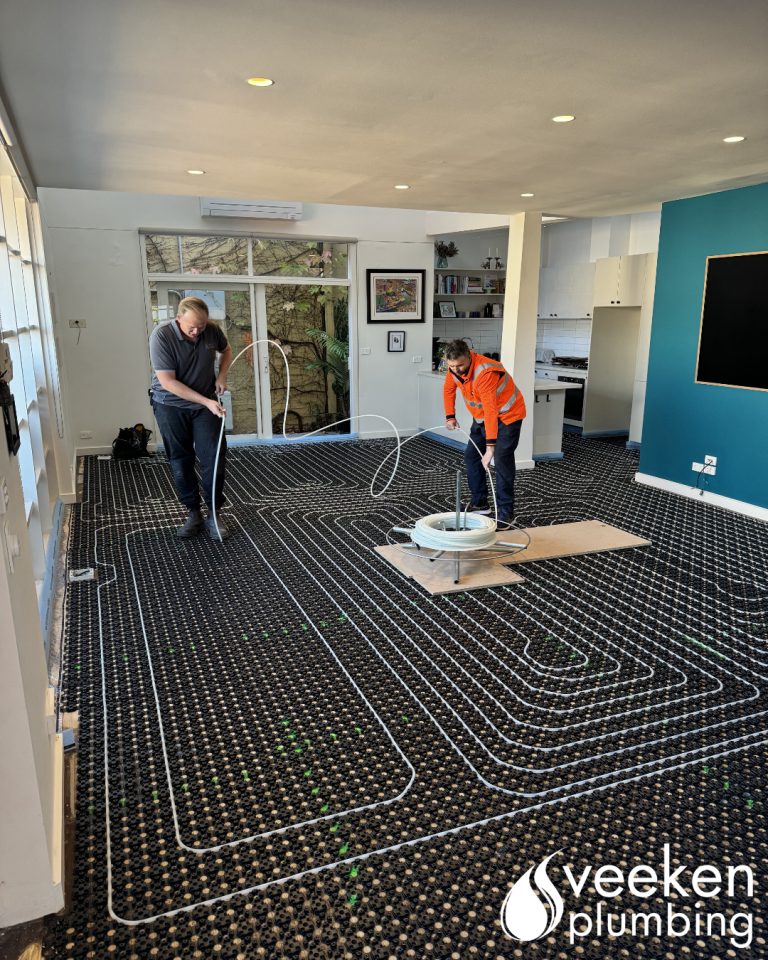
Unlike furnaces that make noise when they fire up or when they push out air, hydronic heating systems run quietly. They also don’t create dirt particles through turbulence, which is a problem with forced-air systems.
The system has three components: a boiler that heats the liquid medium, piping to transport the fluid and radiators that absorb and radiate the warmth. It’s usually best for new construction, as adding it to an existing home would require tearing up floors and walls.
Cost
A hydronic heating system typically includes a pump that circulates water, piping that conveys hot water throughout the home and transports cooled water back to the heat source, radiators that absorb and radiate heat, and a thermostat. Its overall energy efficiency can help homeowners save between 20 and 40%, which helps offset the initial investment and shortens the timeframe for recouping upfront costs.
They can be installed in new construction, remodeling projects, and existing homes. The system can be installed using either a wet or dry installation method, depending on the situation.
The system works to eliminate air temperature stratification in homes with high ceilings by distributing heat through the floors. In contrast, forced-air systems rely on the natural tendency of hot air to rise towards ceilings, which can lead to uneven temperatures. A well-designed and maintained hydronic heating system can be a great solution for homes with high ceilings. It also provides more even heating in rooms with hard floors that are difficult to warm.
Energy Efficiency
Unlike forced-air systems, hydronic heating systems don’t displace air to warm the home. That means they operate more quietly. They’re free of the sounds of furnaces firing up and air rushing through vents and ducts. They’re also more energy efficient than forced-air systems because they distribute heat through insulated pipes that don’t lose much heat during circulation.
Using the same boilers to supply domestic hot water and heat radiant floors or radiators, a hydronic system can reduce its energy consumption by running the heating system only when it’s needed. That makes a hydronic system ideal for new homes or remodels that require a high level of efficiency and comfort.
Radiant floor heating systems use tubing in the floors that’s either installed when a home is being built (a so-called “wet installation”), or added to an existing home (a dry installation). The tubing is often laid in a concrete slab, but can be added to a crawl space or beneath the subfloor between joists.
Installation Method
In hydronic heating systems, a boiler heats a liquid medium (water), and the fluid travels through a distribution system to individual rooms in the house. The hot water is controlled by a thermostat. The distribution system can include a manifold, and a plumbing system for directing the water to room heaters.
There are two primary ways that a hydronic system can be installed: wet installation and dry installation. In wet installation, tubing runs under the floor or in concrete slabs. This method works well for new homes and retrofits.
In contrast to forced air systems, which use ducts, hydronic systems don’t require them. This saves space in walls and ceilings, reduces energy usage, and eliminates noise from furnaces or air rushing through the ducts. Additionally, the system doesn’t cause dust or allergens to be dispersed in the home. This makes it ideal for asthmatics or people with allergies. The piping is also durable, and requires less maintenance than ducts.
Maintenance
Keeping hydronic heating systems in top condition is primarily a matter of habit. People should make it a point to conduct monthly inspections and to arrange yearly maintenance services with professional technicians. As people become comfortable with this process, they will discover many ways that they can help keep the system in good working order. This way, they can reap benefits such as improved home comfort, enhanced energy efficiency, and reduced energy costs.
The list of things that homeowners can do to maintain hydronic systems is incomplete, but it provides a solid starting point for individuals who want to get involved with their systems’ upkeep. Some of the more important tasks that they can do include checking pH levels, examining tank pressures, and power flushing.
Another important task is removing trapped air from the system, which can cause cold spots. This is done by a process called bleed. Once the system is bled, the hissing sound that follows signals that all the air has been released.