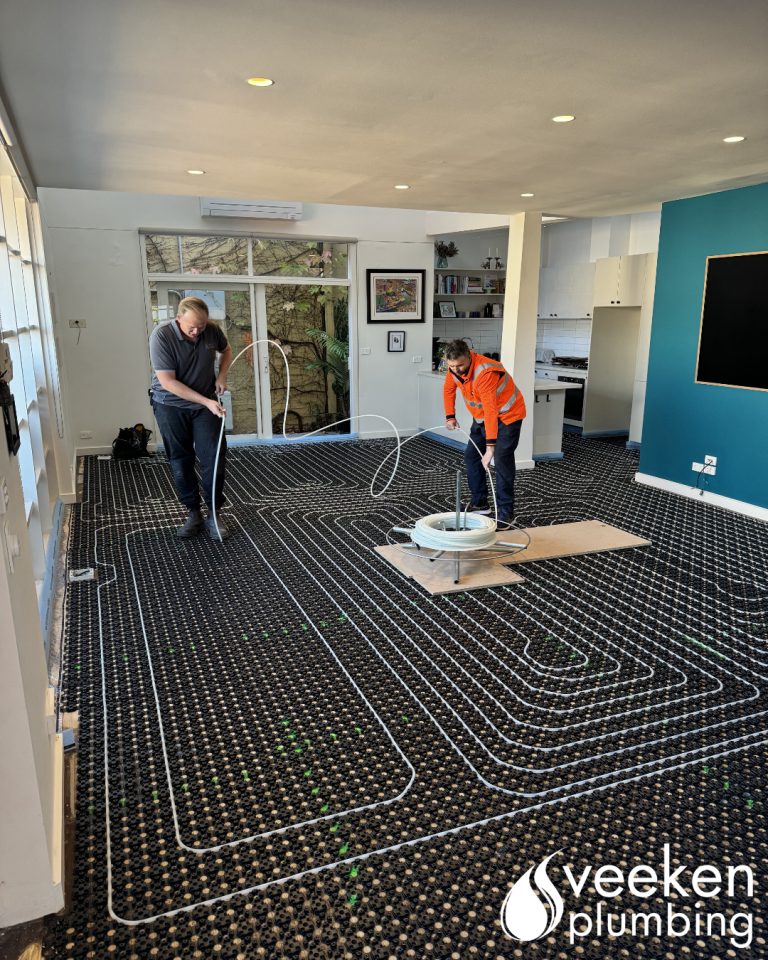
Hydronic heating is a method of heat dispersal that uses pipes to move heated water from boilers to radiators, baseboard heaters, or radiant floor slabs. It is a popular option for new homes or major renovations.
Like other HVAC systems, hydronics require regular tune-ups to perform well. However, homeowners can take on some of the maintenance work themselves.
Cost
While hydronic heating costs more upfront to install than other systems, the initial investment pays for itself with lower energy bills. The system uses super energy efficient gas boilers that heat the water before circulating it through underfloor or wall radiators.
Since it’s a closed loop system, the pipes are vulnerable to leakage and damage, but the good news is that if you keep up with routine maintenance, you can minimize these risks. Insulating your home is also a must, as it prevents the heat from escaping through unsealed gaps and cracks.
Unlike forced air systems that blow air through vents, hydronic heating doesn’t displace air and won’t spread germs, viruses, pet dander, dust, or other allergens throughout the home. This makes it a healthier option for asthmatics, as well as people with other breathing conditions like allergies and seasonal respiratory illnesses. In addition, the absence of ductwork means that hydronic heating is quieter than most other types of heating.
Energy Efficiency
With hydronic systems, homeowners can expect high-quality climate control that conserves energy. In comparison to traditional forced-air heating, which rely on air for circulation, hydronic systems use a system of pipes and water that distributes heat evenly throughout the home.
Heated water is circulated from super-energy efficient gas boilers through panel radiators or underfloor systems. The working fluid is heated at the source and recirculated, losing only a little heat in the process due to its highly conductive properties. Unlike air, which loses heat rapidly, this system also doesn’t blow dust, pet dander or other indoor allergens through its ducts.
The hydronic system also doesn’t rely on ducts to distribute heat, which can take up space in walls and ceilings and require professional builders to install. In addition, a hydronic system can be installed under existing flooring, making it a suitable option for renovators or new homebuilders looking for finer climate control. Regardless of how people install their system, they should make routine inspections and yearly maintenance checks part of their schedule. This helps them become more familiar with their systems and become skilled in maintaining them.
Indoor Air Quality
A regular system tune-up also prevents small problems from becoming bigger ones. This reduces energy costs and prevents the need for HVAC repair.
Traditional forced air systems distribute air via ducts that can circulate odors, dust and pet dander. But because hydronic heating systems don’t use ducts, they operate in virtual silence.
They’re also cleaner. The boiler heats filtered water or glycol, and pumps it through tubes embedded in the floor or in walls and ceilings. The warm, radiant heat spreads quickly and evenly, reducing the occurrence of hot and cold spots in the room.
In addition, the hydronic system’s thermal radiation allows unoccupied rooms to remain at lower air temperatures than occupied ones, which reduces heat loss. This also reduces carbon monoxide levels, which result from human metabolic processes and combustion of fossil fuels. These levels are also reduced by increasing ventilation with outdoor air. Moreover, the hydronic system’s combustion can be adjusted to control CO2 emissions.
Maintenance
Unlike forced-air HVAC systems that rely on ducts, hydronic heating uses water to distribute heat throughout the house. Its use of water eliminates drafts and indoor air pollutants caused by the ducts. But, like automobiles, hot water home heating systems need proper servicing and maintenance to function at their best.
The best method of maintaining hydronic heating service is to have a professional perform yearly inspections. This helps to alleviate homeowners’ concerns and prevents small problems from escalating into larger issues.
However, a homeowner who possesses the right information can also play an important role in system upkeep. For instance, it’s essential to have a habit of conducting a system overview on a monthly basis and watching out for rust and calcium deposits. This can help avoid the need for costly repairs. Other tasks include assessing and draining the expansion tank and checking the pressure valve release. They can prevent the need for an unplanned boiler tune-up and keep efficiency issues at bay.