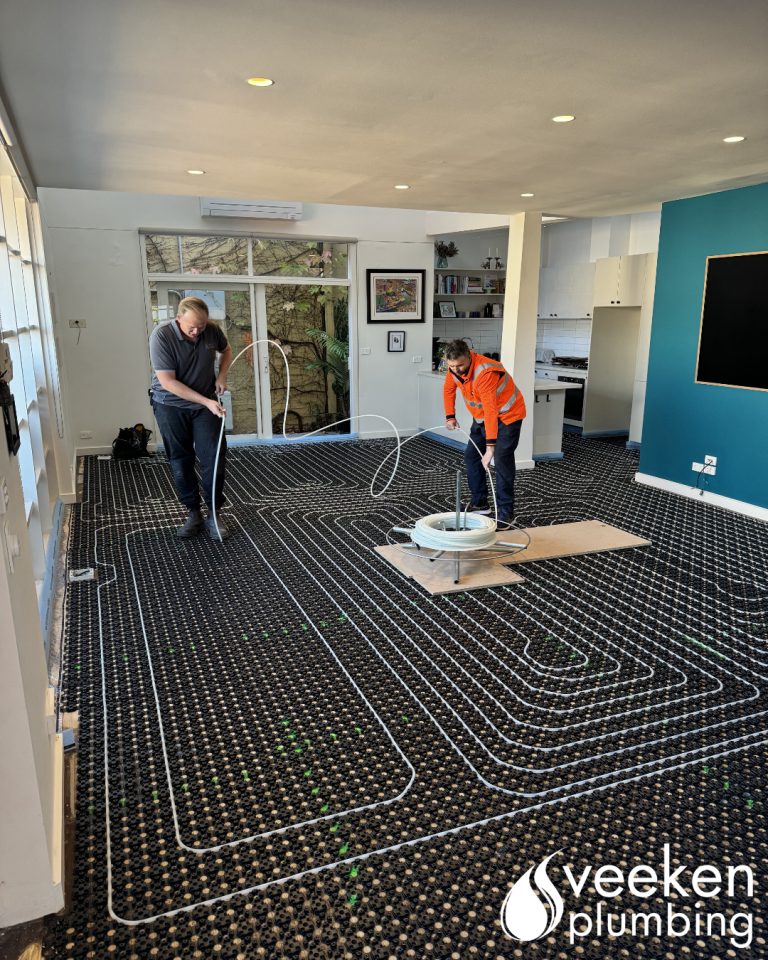
Hydronic heating and cooling units are an excellent way to heat your home. They are energy efficient and offer many other benefits, including quiet and clean heating.
Hydronic systems use water as a heat transfer medium and are often more energy efficient than air-based systems. They also are environmentally friendly and have a low maintenance requirement.
Cost
The cost of hydronic heating and cooling units vary based on the size and type of the system. In general, they are more expensive than forced-air systems because of their higher initial investment.
They also tend to have a higher maintenance cost, but they are virtually noiseless and require no air filters. That’s a big draw for many homeowners.
A hydronic system’s initial cost will depend on the boiler or water heater used and the piping needed to distribute the hot or chilled water. A residential and entry-level system can cost $12,000 for a boiler, plus another $7,000 for the distribution piping.
A hydronic system’s operating costs are similar to those of radiant heating, but it may run a little less expensive due to its ability to retain heat and produce more effective heat at lower thermostat settings. A hydronic system is also better at reducing air pressure loss in a room, so it will not force heat out of the space through doors and windows as much as forced-air heating equipment does.
Energy Efficiency
Compared to forced-air systems, hydronic heating and cooling units are much more energy efficient. They don’t rely on air ducts to transfer heat, so they’re far more energy-efficient than forced-air systems that often push dirty air into your rooms and stir up dust, pollen, pet dander, and other indoor pollutants.
A residential hydronic system uses water and sometimes antifreeze as a heat-transfer medium. Its plastic piping system distributes this fluid throughout a building, transferring thermal energy to and from the space.
While some hydronic heating systems use a boiler or hot water tank to produce hot water, radiant systems, which use heat-transfer elements that radiate warmth to objects within the room, are the most energy efficient. They also are less noisy than traditional hot water heating systems, and they don’t require a furnace filter.
Installation
Hydronic heating and cooling units are among the most efficient, cost-effective, and versatile systems for residential, commercial, and agricultural applications. They’re also very easy to install.
They can be incorporated into new construction or retrofitted into existing buildings. In addition, they’re generally quieter and cleaner than forced-air heating systems.
The main difference is that hot water circulates through pipes to radiators, baseboards, and underfloor heating coils instead of air. This increases the heat capacity of water and allows it to warm up a space more quickly than air.
In a residential setting, this can be particularly beneficial. It means that you can use lower thermostat settings to heat a specific area, which can help you cut down on energy costs.
Whether you’re looking to improve the energy efficiency of your home or simply upgrade to a more reliable and comfortable heating and cooling system, it’s important to make sure your existing system is up to date with maintenance. A thorough checkup and tune-up by a trained professional can go a long way toward ensuring that your system will operate as efficiently as possible for years to come.
Maintenance
Hydronic heating and cooling units have long proven themselves to be the most efficient and effective way of delivering warmth to homes. They provide a warm and comfortable environment without the need for clogged air filters or leaky ductwork, like many forced-air HVAC systems do.
However, hydronic heating and cooling systems must receive regular service and maintenance if they are to perform as expected. Homeowners armed with the proper information can do their part in maintaining hydronic heating and cooling units.
A yearly inspection and tune-up service is recommended. This ensures that all components are primed for excellent performance.
Expansion Tanks: Technicians assess the air charge in the tank and recharge it as needed. They also remove any air vent obstructions.
Pressure Valve Relief: The valve is inspected and if stagnant water is present, it is removed.
Hydronic Glycol: The fluid pH is assessed and if it has degraded, it needs to be recharged.
Drain Faucets & Shut-off: These are checked and repaired or replaced as necessary.