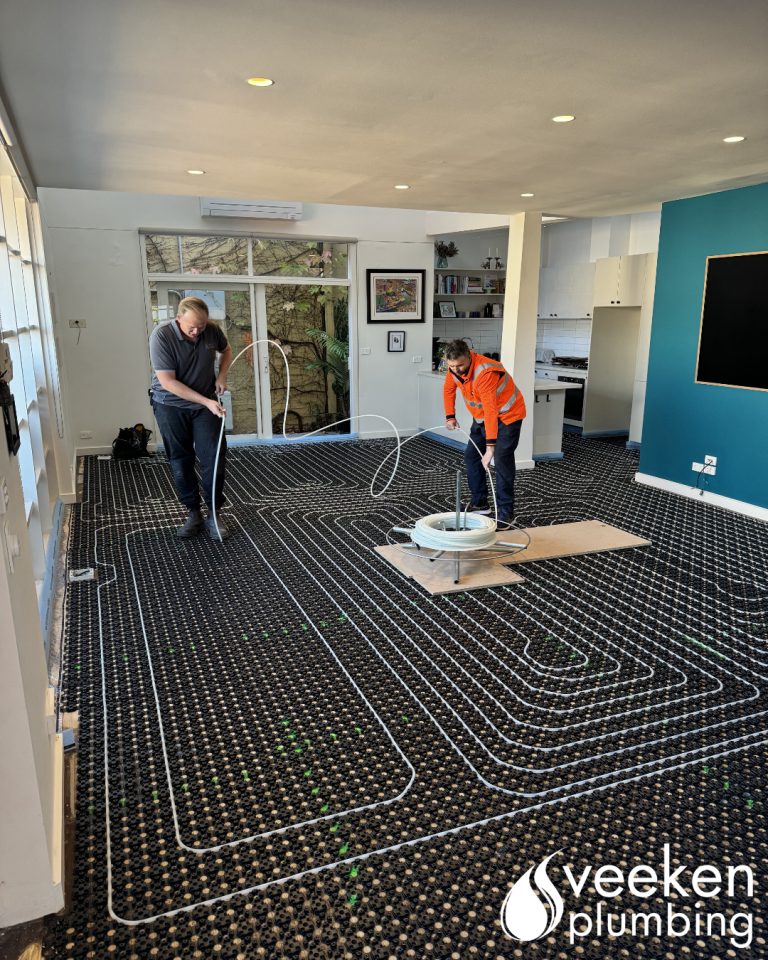
Hydronic heating and cooling has a number of advantages, including being more energy-efficient than other heating and cooling methods, and it can even be very environmentally friendly. However, there are some disadvantages as well. Read on to learn about these.
Energy-efficiency
Hydronic heating and cooling is one of the most energy-efficient home heating and cooling systems available today. While it is a more expensive system upfront, it can save homeowners hundreds and even thousands of dollars in electrical costs over the life of the system.
A hydronic system circulates hot or cold water through radiator panels. It can be installed without ducts or registers. The heat is then released through radiant heating loops.
Because it transfers heat more efficiently, hydronic systems are more cost-effective than other heating and cooling options. They can also help maintain a comfortable temperature and reduce the amount of maintenance required.
In addition to saving money, hydronic heating and cooling systems are environmentally friendly. Their energy efficiency means less pollution and emissions. Many hydronics systems can also be integrated with renewable technologies. This will lower the carbon footprint of a building, making it more sustainable.
Hydronics systems are able to provide energy savings of 60-70%. These savings are not only achieved through thermal efficiency, but through the use of variable speed components.
Cost-effectiveness
Hydronic heating and cooling is a cost effective way to heat and cool your home. This form of heat distribution is more efficient than air systems and can be installed on your entire home.
A hydronic heating system is designed to distribute heat in a sealed pipe network. The heat is then pushed through pipes and radiated through radiators or other heating devices.
In addition to radiant heating, a hydronic system can be used for heating and cooling large buildings. These heating and cooling applications are programmable, allowing you to turn on the heat in different areas of your home. You can also choose to use gas or electric power for your system.
Because it uses water as its medium of transfer, a hydronic heating and cooling system is a more energy-efficient way to heat your home than a conventional air conditioning system. It can also be quieter.
In order to maximize the efficiency of your hydronic system, you need to keep certain conditions in mind. Maintaining clean ducts and pipes is one way to make the system more efficient. Dirty ducts and vents can contribute to headaches and respiratory problems. They can also cause carbon monoxide poisoning.
Environmental friendliness
The most efficient way to heat and cool your home or office is with hydronic heating and cooling. A properly installed and maintained hydronic system will not only keep you comfortable, but it will save you money. Plus, you will be breathing cleaner air.
Hydronic systems use a boiler to heat liquids. These hot liquids are then pumped through pipes to provide heat to a building. This process can be used to shave 10 to 30 percent off your monthly energy bill.
Modern hydronic systems are a boon to homeowners and businesses alike. Besides the fact that they require no electricity, they are reliable and efficient. They also have the benefit of using renewable sources of energy, such as solar energy.
It is a fact that most central heaters have significant energy losses in their heat distribution systems. Luckily, a newer, more efficient boiler can maximize the energy you do use.
However, not all newer heating and cooling systems are created equal. Some can be quite costly to operate, while others can be a slapdash waste of money. For instance, a typical oil boiler may require hundreds of gallons of fuel to keep it running.
Disadvantages
Hydronic heating and cooling systems are an excellent way to heat and cool your home. Compared to other methods, they are relatively inexpensive and energy efficient. They can also be installed easily into an existing structure. However, there are some disadvantages that you should consider before choosing the best system for your home.
One of the biggest advantages of hydronic systems is that they are less intrusive than ducted heating. Unlike forced air, hydronic heaters do not need to be noisy or require fans. Also, water is better at transferring heat than air. Therefore, a smaller volume of heated water can deliver the same amount of heat as a larger volume of warm air.
The downside is that it takes more time for a hydronic system to warm a room. It is also more expensive to install. And you may need to replace your flooring.
Hydronic systems can also be integrated into an existing structure. You can either route tubes through the floor joists or attach them to the walls.