Hydronic furnaces are a great option for homeowners seeking a system that provides a comfortable and energy-efficient home heating solution. However, they do require maintenance to continue working properly.
Performing regular system inspections and signing up for annual maintenance services can help you ensure that your hydronic furnace remains in top condition. This will save you money in the long run, as well as keep your home comfortable and energy efficient.
Cost
The cost of a hydronic furnace depends on the type of heating system you choose, and also on other factors like the size of your home. However, a hydronic system can be a very attractive investment because it is significantly more energy efficient than forced air systems.
In fact, it can save up to 40% in energy use, which is an enormous amount of money. This is a big reason that so many homeowners prefer to use hydronic systems over ducted systems.
A hydronic system runs a hot liquid, typically water, through pipes that are connected to baseboard heaters or radiators in different rooms. The hot liquid is then cooled and re-heated.
This method of heat distribution is more efficient than forced air because it uses water, which conducts heat better and doesn’t lose as much of it during delivery. It also requires less space for pipes than ductwork, which can take up a lot of room in your house.
Energy Efficiency
Hydronic heating systems provide warmth through a system of pipes that distribute hot water (or steam) throughout your home. The boiler heats the water and then circulates it through the pipes, distributing it to radiators or coils, as well as radiant floor systems.
Unlike a furnace, which heats air directly and mixes it into the room, a hydronic system evenly distributes the warmth through water. It’s much more energy efficient and can lower the gas bill.
In addition, hydronic heating doesn’t dry out your home as much as forced air. Forced air carries dust and other allergens into your home and causes asthma, as well as contaminates the air with carbon monoxide, if the combustion chamber breaks down.
While efficiency is determined by many factors, water is a better conductor of heat than air, which can help hydronic systems achieve higher efficiency ratings. However, the efficiency of a hydronic system also depends on its type of fuel used, its insulation and the age of the boiler/furnace.
Noise
When a hydronic furnace is properly installed and serviced, it can be one of the most quiet heating systems available. With their centralized control, zoning, and smart controls, they can move energy quietly through smaller distribution pipes than traditional forced air systems.
However, when a hydronic furnace is not working well, it can start to produce noises that may indicate a problem. Whether the sounds are normal or indicative of a serious issue, it is important to know what they mean and how to fix them.
A gurgling sound inside the baseboard or supply pipes can be caused by low pressure in the boiler or system. It can also be the result of air bubbles. A humming sound from the inducer motor could be a sign of a fan that is wearing out.
Installation
A hydronic furnace, or radiant heating system, provides centralized home heat. This is a more efficient and environmentally-friendly option than forced air.
It is quieter than a warm-air furnace, which produces noise from the blower and ductwork. It also allows for multiple zones, so you can control the temperature of each room individually.
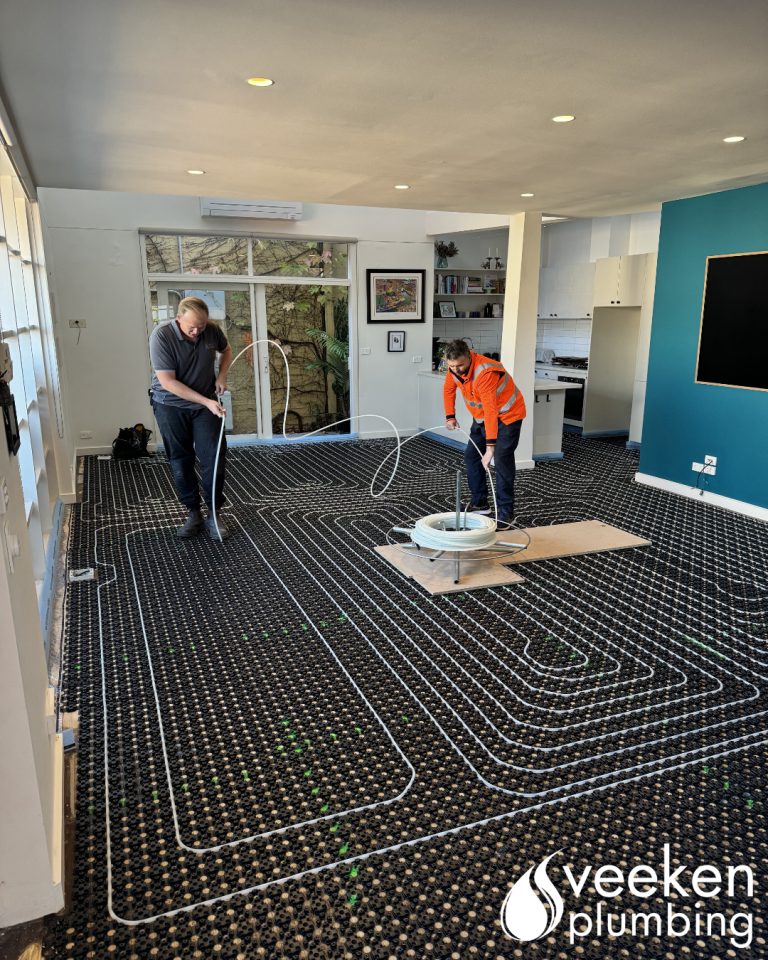
The heating fluid circulates through pipes that can be installed in the walls, ceilings or floors, and is not drafty like a duct system. The system also requires less maintenance than a duct system, but you will have to drain the expansion tank occasionally, which can add to the costs of operation.
A hydronic system can be a good option for moderate climates and homes that need consistent temperatures. However, it is not suitable for cold weather or homes that need instantaneous heat. It also takes a lot longer to heat up than a duct system.