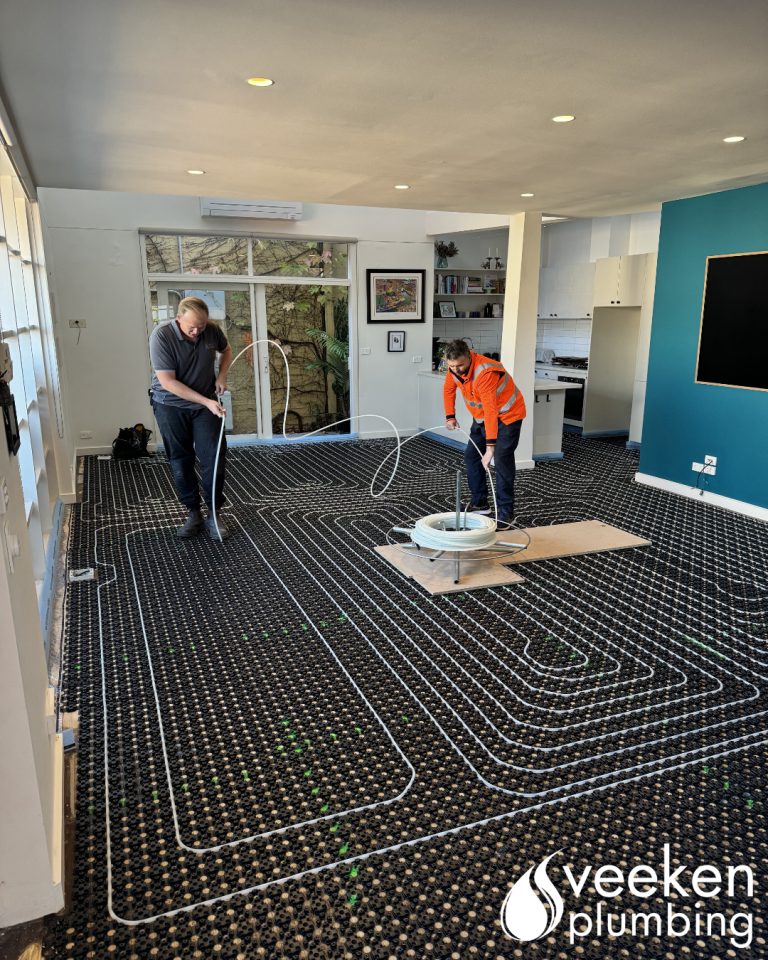
When choosing a boiler to run your hydronic heating system, it is important to know what the different types are and what the costs of each are. There are different options available, including hot water and steam boilers, and gas- or propane-burning boilers. Wooden pellets are also an option, though they are a bit expensive, but are a reliable fuel source.
Gas- or propane-burning boilers cost $4,000 to $12,000.
If you live in an area where gas is not available, you may need to use propane or oil to heat your home. There are several advantages and disadvantages to both fuel types. However, you may also find it more expensive to install propane or oil in your home.
The cost of replacing your boiler can vary greatly, depending on its type. You will need to find a local HVAC expert to help you estimate the total cost. It is also important to factor in the installation and removal costs.
Standard boilers, also known as conventional boilers, are usually used in newer homes. They work by sending hot water through pipes to radiators. They are generally more energy efficient than other models.
Gas- or propane-burning hydronic boilers can be installed indoors or outside. Outdoor boilers are generally 10% to 15% more expensive. In addition, outdoor boilers require protection from freezing temperatures.
The costs of installing a gas- or propane-burning hydronic boiler depend on the type of fuel you choose. Some high-tech brands and models are more expensive.
Boilers can last up to 20 years. Most of the time, the initial installation is cheaper than repairing or replacing the system.
The overall cost of a boiler will vary based on its type and the amount of labor required. Newer, better-insulated homes typically have lower costs. Older homes may need to be re-insulated to reduce the costs of heating the property.
Steam boilers vs hot water boilers
There are two main types of boilers – steam and hot water. Steam boilers have several advantages over their hot water counterparts. They are more powerful, can handle higher process loads, and require less maintenance.
Hot water systems utilize circulator pumps to transfer heat and water around the house. The system operates at a low pressure of about 10 to 15 psi.
There are many variations in efficiency, size, and materials. Hot water boilers and steam boilers can be made from copper, stainless steel, aluminum, and composites.
Steam boilers and hot water boilers are both efficient, but there are a few key differences. For one, steam boilers have a much lower water level, so they don’t have to rely on an electric pump to move water. In addition, steam can carry more heat than its hot water counterpart.
Despite their differences, both steam and hot water boilers can be used to provide heating and space heating for the home. Steam boilers may even produce potable water for use in the kitchen.
Hot water boilers are often more energy-efficient. They use a pump to transport the heat from the boiler to the home. However, this is only one of the many things that make them different.
Wooden pellets are an ample and inexpensive fuel source.
Wooden pellets are a renewable and plentiful fuel source for hydronic boilers. Whether you use them for heating your home or commercial property, you can count on them to save you money.
They are made from leftover wood material that would otherwise go into the landfill. They are cheaper and less volatile than oil or gas.
When they are burned, the heat energy breaks atomic bonds in the wood molecules. This resulting pyrolysis process produces a range of compounds. These compounds may be liquids, gases, or semisolids.
One of the most significant of these is carbon monoxide. Carbon monoxide is released in the greatest volume, as the temperature drops. It also happens to be one of the least threatening forms of carbon dioxide.
The other major component is oxygen. Oxygen is used in the combustion of the molecule to produce heat.
A wood furnace is a highly efficient way to heat a home. It can provide you with hot water as well. It can save you up to $1,000 a year in fuel costs alone.
Another important part of the system is the heat exchanger. This part of the boiler is what transfers the heat from the wood to the water. You will need to brush it regularly to ensure it is working properly.