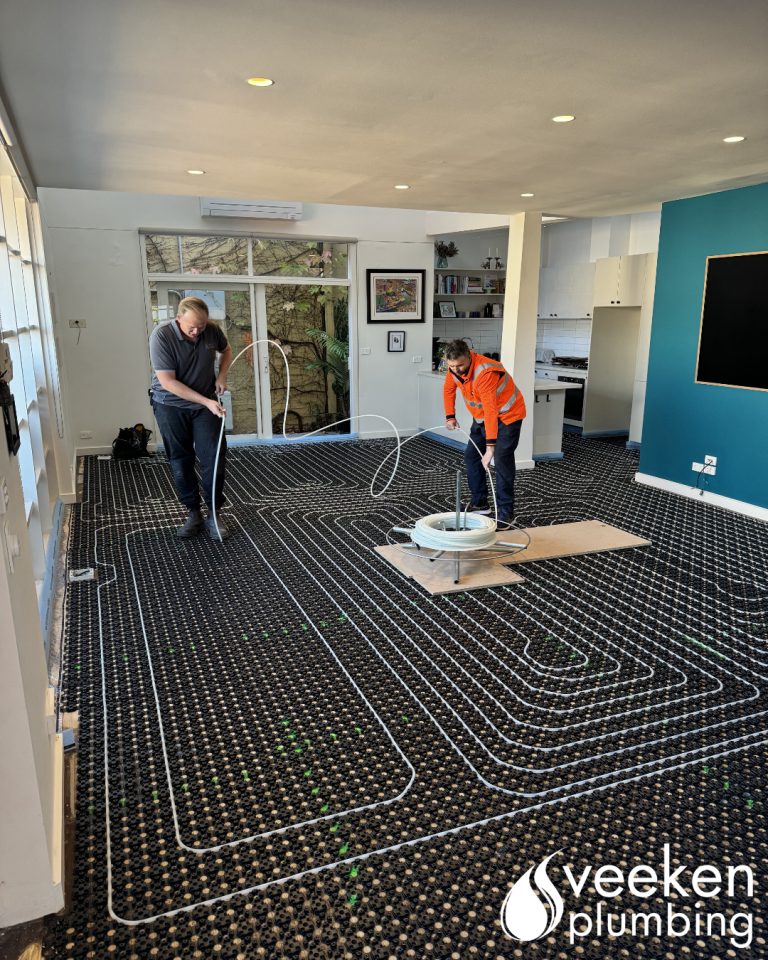
A hydraulic boiler heats water, which is then pumped through pipes to radiators in the home. These systems are easy to install, require minimal ductwork and have a variety of options for heat distribution.
Hydronic boilers are also quieter than forced-air systems and do not stir up dust, pollen, pet dander and other allergens. This makes them a good choice for allergy sufferers.
Safety
Boilers are vital to the operation of many industries. Their specialized safety systems must be verified and tested at regular intervals, to ensure that they work properly.
Unsafe boiler use and conditions can cause severe damage to property and buildings. They can also lead to loss of life.
Fortunately, the industrial sector has developed set standards that guide boiler systems and help keep employees and customers safe. These standards have global footprints and provide detailed guidance on how to avoid or overcome dangerous situations.
Hydraulic boilers have a variety of safety features that make them safer than ever before. These include automatic fill valves, which prevent evaporation or leakage that can cause system pressure to drop.
Durability
Water quality in hydronic systems is a crucial factor in system longevity and performance. Having good water quality reduces the risk of scale buildup and sludge formation that can cause corrosion and poor heat transfer.
In addition, proper water quality is essential for maintaining the efficiency of boilers, heat exchangers, valves, pumps and tanks in closed loop hydronic heating systems.
The high pressures and temperatures that are required in modern hydronic heating systems can result in surface scaling and sludge. This material is abrasive and can damage equipment.
As a result, it is essential to follow the manufacturer’s recommendations when installing or repairing a hydronic system. Some manufacturers even specify minimum water quality standards to keep their equipment in warranty.
Energy Efficiency
There are several ways to boost the energy efficiency of your boiler. These include optimizing a boiler system for varying demands, using heat pumps, updating controls and running the boiler at lower steam operating pressure or fluid temperature.
Besides the savings from burning less fuel, you can also increase your system’s efficiency by improving the boiler’s water quality. Hard water can cause scale deposits to form in the heat exchanger, reducing its heat transfer rate and lowering your boiler’s efficiency.
In addition, moisture can get into the water, reducing its efficiency. To prevent this, you should clean the heat exchanger periodically and monitor the water’s chemistry.
In addition to these energy saving measures, you can boost the heating efficiency of your hydraulic boiler by adding a multi-award winning hydronic additive that’s independently proven to save up to 15% on space heating energy consumption. This additive, EndoTherm, stably changes the surface tension of the fluid so optimal thermal contact is made.
Convenience
A hydraulic boiler is an energy-efficient heating solution that is flexible and versatile, offering a number of options to suit your needs. This type of system utilises water to heat your home, releasing warmth through radiator panels or by underfloor pipes.
It also provides a continuous supply of hot water throughout the day, via a tank-within-a-tank design. These systems are ideal for homes that have limited access to gas, and are available in a variety of designs to complement all types of property.
Choosing the right boiler is an important decision that can make a huge difference to your energy bills. Look for a model with high annual fuel efficiency ratings (AFUE) to ensure you’re getting the most out of your boiler.
Boilers can use a wide range of fuels, including natural gas, oil, and electricity. However, if you have a preference, it’s best to let your technician know so they can offer suggestions accordingly.