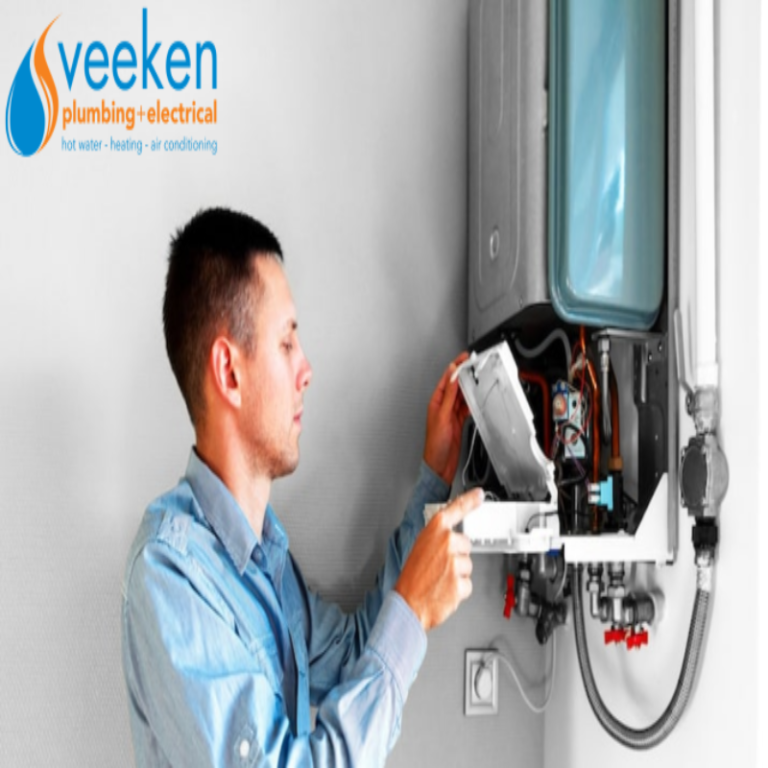
Water heating is basically a method of heat transfer by use of an energy source that warms the water to a specific temperature. Typical domestic uses of water heated in this manner have numerous domestic applications. These may include space heating, cooking, bathing and even laundry. In industry, heated water and steam have numerous domestic applications. This heating method is also used in automobiles and some boats.

There are two types of water heaters: electric and gas powered. The most popularly used type is the electric water heater since it is much more affordable than gas-powered models. Electric models need only be plugged in while gas models require a separate air vent. This vent must be located in the exact location where the heater is placed for optimal heating performance.
Hot water heaters are typically built with two primary components. A condensing boiler contains the water which is heated; and a holding tank or storage tank containing the heated water. Together, these two components make up a single water heater. Typically, all water heaters have a control valve which allows the supply of water to the desired pressure and temperature.
One component of a water heater is the condensing unit. This consists of a tank and an anode rod. A thin iron cylinder, usually made of copper, is placed in the tank. The rod is attached to the anode through a thin metal plate. Since the rod is made of iron, the rod heats up due to the presence of electricity, thus increasing the temperature of the water stored in the tank.
The second component of a gas water heater is the cold water holding tank. This tank is located directly under the condensing unit and has a supply of cold water. Normally, this tank is beneath a window, so that it is not visible to anyone in the home.
The advantages of gas water heaters over point-of-use are numerous. For instance, point-of-use heaters must be repaired often, because the small leaks can occur at any time. In addition, point-of-use heaters may also require the replacement of parts periodically because they are not designed for constant operation. Gas water heaters are not only more cost-efficient but are also much more energy-efficient than their counterparts. As such, if you are looking for a high-quality heating system, a point-of-use heater may be just what you need.
However, some homeowners do prefer natural gas water heaters to point-of-use models. While they may be more expensive to purchase, they offer great flexibility in terms of controlling the flow of hot water. They are also more environmentally-friendly and are more durable than any other type of hot water heater. Natural gas hot water heaters require very little maintenance, so you won’t have to worry about needing to replace them for years on end.
There are many other types of water heaters, so before making your final selection, be sure to do your homework. Take a look at the various types of hot water heaters available, including solar thermal and potable hot water storage tanks. A solar thermal water heater is also a good choice for the environmentally-conscious homeowner. With such a high quality heater, there is no reason why anyone should be without a good, clean, reliable water heater.