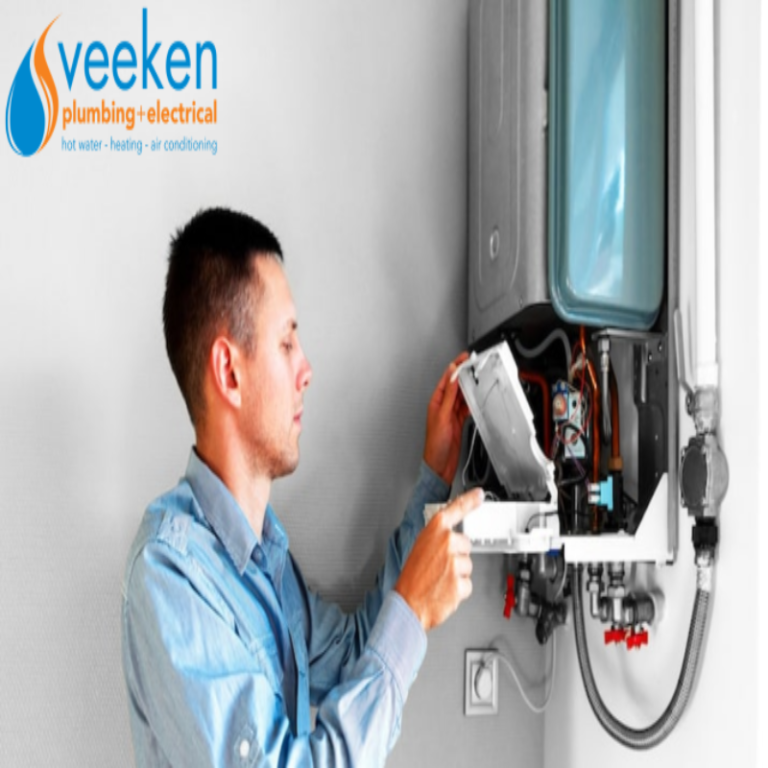
Hot water heating is an energy transfer procedure which uses a power source to heat water considerably above its original temperature. Typical domestic applications of hot water comprise cooking, washing, bathing, and even space heating. In industrial sectors, hot water and steam heated to extremely high steam levels have many different uses. For instance, most of the jet engines used in commercial aviation are powered by a combination of water and super heating elements. Steam boilers, which are sometimes also called “rowers”, are still in use today for heating large areas (as much as 1 square mile, or about 400 rooms).

The most common way to use high-temperature heating is via a water storage tank. A water storage tank stores a specific amount of heated water, at a specific temperature, for use in your home or office. Because of the heat it holds, the water inside the tank must be kept very hot or else it will quickly evaporate into the atmosphere. In order to keep the water at a constant temperature, the water storage tank is placed in an area where it can be regularly monitored. If the temperature inside the tank rises beyond a certain level, a thermostat which is usually located near the heating unit is pushed down and turned off, allowing the desired heat level to be maintained. Should the temperature drop below the preset limit, the thermostat is then left in an open position, thus bringing the water back up to the proper temperature without any further evaporation.
Another way to utilize hot water is through a dip tube. A dip tube is simply a long, hollow tube with a small hole at one end. As cold water enters the tube, the inside of the tube warms up rapidly due to surface tension. As the temperature rises, the inside of the dip tube cools rapidly, and the cold water exits at the desired temperature. The most common use of a dip tube is when a large tank is needed to store extremely cold water; in such cases, using the thermostat is unnecessary because the temperature inside the tube will not fall below the desired level due to surface tension.
If you are having problems with your plumbing system, you may also be experiencing problems with the hot water tank. In some instances, the dip tube is not functioning correctly. This is due to a combination of mechanical issues and electrical problems. For instance, if there are leaks present in your piping system, it is likely that the heating element or wiring may be faulty. Alternatively, it could be that the electrical connections to the heating elements are not tightly sealed.
Finally, if the shower valves are defective, they will not operate properly. Although this is generally agreed upon as a general flaw, a plumbing professional will be able to correct the problem for you. It is extremely important to follow the guidelines stipulated by the American Society for Plumbing, Heating and Air Conditioning (ASAPS) – they are set out by the Water Works Council. Most companies will usually send a servicing company out to your home to carry out routine maintenance checks on your plumbing equipment and systems. However, in the case of a plumbing system that is older than twenty years old, it is likely that you will need to carry out the checks yourself. This is especially true for systems such as the heating and hot water tank which must withstand high pressure; leaks can easily occur if they are not properly maintained.
As part of its responsibilities as an ASAPS member, a plumbing professional should ensure that any in-line devices used in conjunction with a plumbing system are properly installed. He should check all valves for proper installation and servicing. He should also make sure that all piping is running to the correct specifications, especially where waste water drainage is concerned. Failure to ensure these basic standards puts both the service provider and the home at risk.