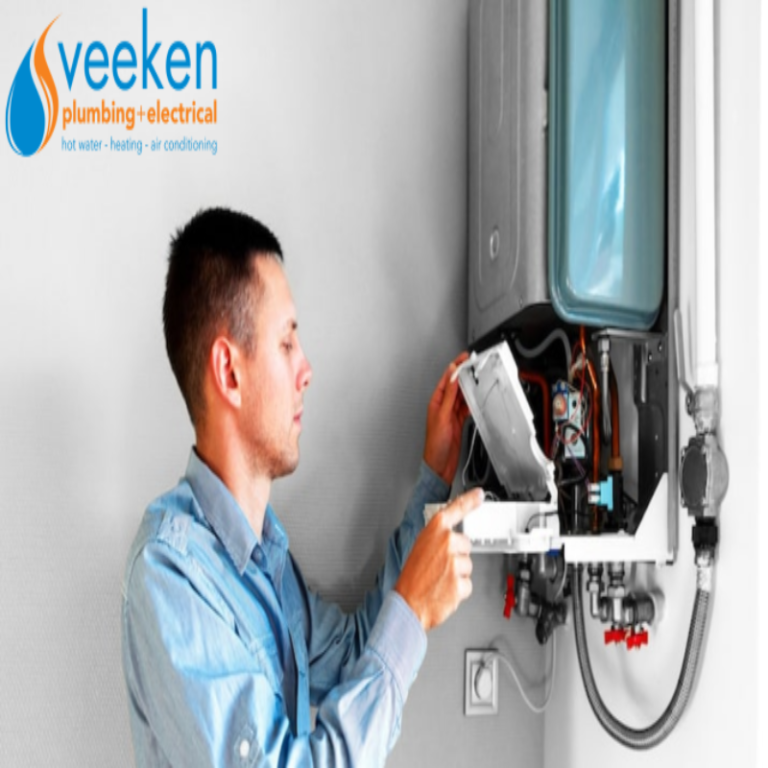
An Overview of Tankless Water Heater Options
A tankless water heater is a great way to save money on your energy bill and protect the environment. Tankless water heaters (also known as constant current, continuous flow, hot, on-demand, instant, or direct water heaters) are electricity-efficient water heating devices that don’t hold any water in the system but instead continually flow cold water through the device as it heats up. As a result, there is no water remaining in the tank of the unit. These appliances are increasingly becoming popular with green-minded families and with those who want to cut their energy bills. As a rule, tankless appliances take a little longer to heat up than traditional units, about half the time. However, this delay gives users more time to change the temperature settings themselves, which is a big plus.
There are a few different types of tankless water heater, including electric and gas-fired. Most utilities that offer these services will have them available in both models. Electric heaters work by having an electrical current pass through a series of contacts inside the unit, burning up the fuel (usually gas) that powers the unit. The hot gases then rise into the condensing zone, where they become cooled. Gas-fired units work in a similar fashion but use an electric firing system that runs the same gases through the unit via a series of vents, rather than burning fuel.
While both electric and gas-fired heaters provide excellent heat delivery, they have distinct advantages. For one, electric heaters are more convenient in the sense that they are more accessible and easier to install. They are also less likely to suffer from a power outage, although this can vary depending on the length of the cable running between the electric panels and the compressor. Gas-fired units require a larger compressor, making them less reliable in a power outage. Electric heaters, however, are far more reliable in a short-term crisis situation since the power outages that commonly occur do not last very long.
A major consideration of tankless water heater buyers is the potential energy savings offered by the units. Since they do not depend on a steady power source, their energy efficiency comes from the speed at which water is sent through them. For example, some heat up a tank more quickly than others, which results in greater overall temperature variation and reduced need for energy. Some also boast a reduced flow rate, which allows them to be run even during a period of low flow.
Naturally, the final consideration for tankless water heaters is their price. They range in price significantly. The initial cost is usually higher than that of a storage water heater, but this cost varies widely depending on the model and the quality of construction. Most tankless water heater models are sold in single pieces, requiring only installation. The installation cost is generally lower than with storage heaters because there is no need for connection to the main plumbing system.
In general, tankless heaters are considered to be a better option than storage heaters for most homeowners. They offer energy efficiency, are easier to install, require less maintenance, and eliminate standby loss. This allows them to be used in places with little or no access to plumbing pipes, which extends the usability of such units. However, the decision on which unit is best for your home will largely be dependent on your own personal preferences. Tankless water heater models vary in style and price, so it is important to consider all of your options before making your final purchase.