Introduction
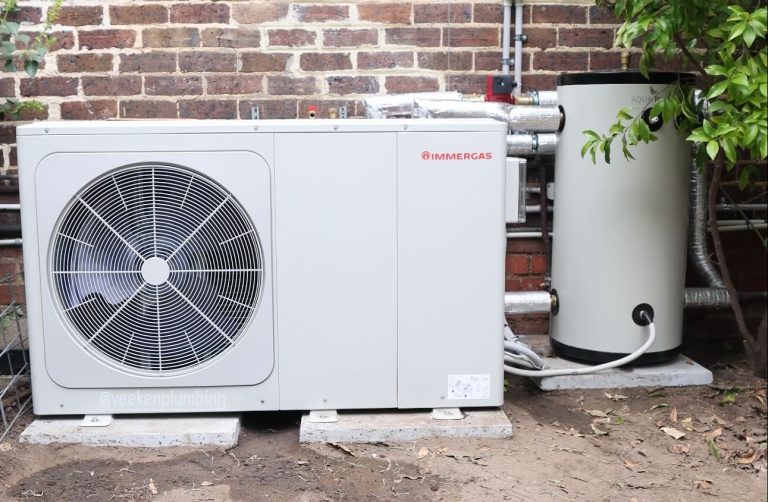
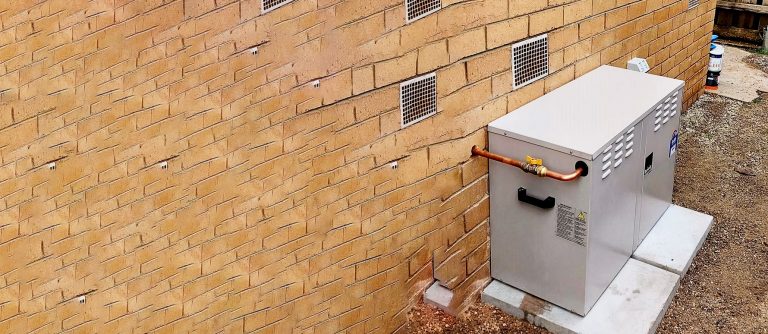
In the quest for sustainability, many homeowners are turning to innovative heating solutions that reduce environmental impact while offering efficient performance. One such solution is the installation of heat pumps, which are increasingly replacing traditional gas combi boilers. This article explores the journey of installing a Steibel Eltron heat pump hot water system and a Baxi heat pump hydronic heating system, highlighting the benefits, challenges, and overall impact on sustainability.
Understanding the Need for Sustainability
As global concerns about climate change and resource depletion intensify, sustainable living practices are becoming essential. Home heating, a significant contributor to household energy consumption, is a prime area for improvement. Transitioning from fossil fuels to renewable energy sources is a crucial step in reducing carbon footprints and promoting environmental stewardship.
Sustainability in Home Heating
The Role of Heat Pumps
Heat pumps are an exemplary technology in the realm of sustainable home heating. Unlike conventional heating systems that burn fuel, heat pumps transfer heat from external sources like air, ground, or water into homes. This process is highly efficient and environmentally friendly, making heat pumps a cornerstone of sustainable living.
Heat Pump Hot Water Systems
Advantages of Steibel Eltron
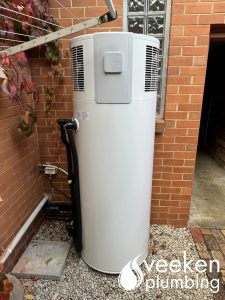
The Steibel Eltron heat pump hot water system is renowned for its efficiency and reliability. By utilizing ambient air to heat water, it significantly reduces electricity consumption compared to traditional electric or gas water heaters. This system not only lowers energy bills but also contributes to a greener planet by cutting down on greenhouse gas emissions.
 Hydronic Heating Systems
Benefits of Baxi Heat Pumps
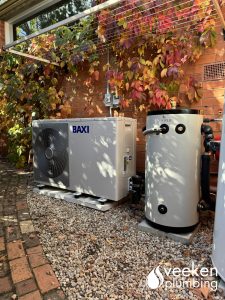
Baxi heat pump hydronic heating systems provide an efficient solution for whole-house heating. Hydronic heating, which involves circulating hot water through pipes to radiators or underfloor heating systems, ensures even and comfortable warmth. Baxi heat pumps excel in this area, offering quiet operation, low maintenance, and superior energy efficiency, making them an ideal choice for sustainable heating.
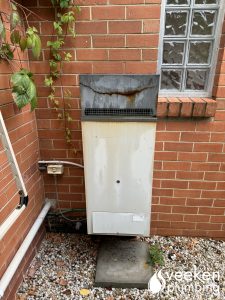 Replacing a Gas Combi Boiler
Why Choose Heat Pumps Over Gas
Replacing a gas combi boiler with heat pump systems brings numerous advantages. Gas boilers, while effective, contribute significantly to carbon emissions. Heat pumps, on the other hand, use renewable energy and produce fewer emissions. This transition not only aligns with sustainability goals but also enhances energy efficiency and reduces long-term costs.
Installation Process
Steps to Install Heat Pump Systems
Installing heat pump systems involves several crucial steps. First, a comprehensive assessment of the home’s heating needs and existing infrastructure is conducted. This is followed by selecting the appropriate heat pump models and preparing the site for installation. The installation itself includes setting up the heat pump units, connecting them to the home’s heating and hot water systems, and ensuring everything operates smoothly. Proper insulation and regular maintenance are key to maximizing the efficiency of these systems.
Cost Implications
Initial Investment vs. Long-term Savings
While the initial investment for heat pump systems may be higher than traditional heating solutions, the long-term savings are substantial. Heat pumps offer lower operating costs due to their high efficiency and reliance on renewable energy. Over time, homeowners can expect to recover their investment through reduced energy bills and potential government incentives aimed at promoting sustainable energy solutions.
Environmental Impact
Reducing Carbon Footprint
One of the most significant benefits of heat pump systems is their positive environmental impact. By switching from gas to heat pumps, homeowners can drastically reduce their carbon footprint. Heat pumps produce fewer greenhouse gases and use less energy, contributing to a cleaner, healthier planet.
 Energy Efficiency
How Heat Pumps Save Energy
Heat pumps are champions of energy efficiency. They can deliver up to three times more heat energy than the electrical energy they consume. This efficiency stems from their ability to transfer heat rather than generate it through combustion. The result is a significant reduction in energy consumption and lower utility bills, making heat pumps a wise choice for eco-conscious homeowners.
Maintenance and Durability
Longevity of Heat Pump Systems
Heat pumps are designed for durability and longevity. With proper maintenance, a heat pump system can last for 15-20 years or more. Regular servicing, such as cleaning filters and checking for leaks, ensures optimal performance and extends the lifespan of the system. This reliability makes heat pumps a sustainable and cost-effective heating solution.
Case Study: Real-Life Application
Success Story of a Heat Pump Installation
Consider a real-life scenario where a homeowner replaced a gas combi boiler with a Steibel Eltron heat pump hot water system and a Baxi heat pump hydronic heating system. The installation process was smooth, and the homeowner experienced immediate benefits. Energy bills dropped significantly, and the home’s carbon footprint was reduced. The system provided consistent, comfortable heating throughout the house, demonstrating the practical advantages of switching to heat pumps.
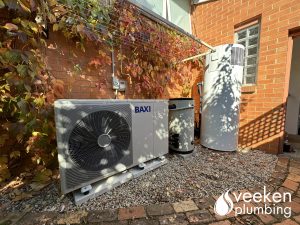 Comparing Heat Pumps and Gas Boilers
Efficiency, Cost, and Sustainability
When comparing heat pumps and gas boilers, several factors come into play. Heat pumps offer superior efficiency, converting energy into heat at a much higher rate than gas boilers. While the initial cost of heat pumps may be higher, the long-term savings and environmental benefits make them a more sustainable choice. Additionally, heat pumps align with global efforts to reduce reliance on fossil fuels and combat climate change.
Technological Advancements
Innovations in Heat Pump Technology
The heat pump industry is continually evolving, with new technologies enhancing performance and efficiency. Innovations such as variable speed compressors, smart controls, and advanced refrigerants have made heat pumps more effective and user-friendly. These advancements not only improve energy efficiency but also make heat pumps more accessible and attractive to homeowners.
Government Incentives
Subsidies and Grants for Heat Pump Installations
Governments provide various incentives to promote the adoption of heat pump systems, which can significantly reduce initial installation costs. In Australia, specific programs like VEECs, STCs, and SolarVictoria rebates are available to support this transition.
Victorian Energy Efficiency Certificates (VEECs)
The VEEC program, part of the Victorian Energy Upgrades (VEU) program, encourages the installation of energy-efficient technologies, including heat pumps. By generating VEECs, homeowners can receive financial incentives based on the amount of greenhouse gas reduction achieved through their new system.
Small-scale Technology Certificates (STCs)
The STC scheme operates under the Federal Government’s Renewable Energy Target (RET). Homeowners who install eligible heat pump systems can earn STCs, which represent the amount of renewable energy the system will generate or displace. These certificates can be sold or traded to reduce the upfront cost of the installation.
Solar Victoria Rebates
Solar Victoria offers rebates for heat pump hot water systems, providing substantial financial assistance to Victorian households transitioning to more sustainable heating solutions. This rebate is part of the broader Solar Homes Program, aimed at reducing energy bills and promoting renewable energy sources.
Understanding and leveraging these incentives can further enhance the financial and environmental benefits of switching to heat pump systems, making them a more attractive and sustainable choice for homeowners.
Challenges and Solutions
Overcoming Common Installation Issues
Despite their benefits, heat pump installations can present challenges. These may include space limitations, compatibility with existing systems, and upfront costs. However, with proper planning and professional installation, these issues can be effectively addressed. Selecting the right equipment, ensuring adequate insulation, and performing regular maintenance are key to overcoming these challenges and maximizing the benefits of heat pumps.
Future of Home Heating
Trends and Predictions
The future of home heating is increasingly leaning towards sustainable solutions like heat pumps. As technology advances and awareness of environmental issues grows, heat pumps are expected to become more prevalent. Innovations will continue to improve their efficiency and affordability, making them a standard choice for new homes and retrofits alike. This trend signifies a shift towards a more sustainable and energy-efficient future.
User Experience
Testimonials from Homeowners
Homeowners who have switched to heat pump systems often share positive experiences. They report significant reductions in energy bills, improved indoor comfort, and a sense of contributing to environmental conservation. These testimonials highlight the real-world benefits of heat pumps and encourage others to consider making the switch.
Expert Opinions
Insights from Industry Professionals
Industry professionals emphasize the importance of proper installation and maintenance for heat pump systems. They recommend working with certified installers and following manufacturer guidelines to ensure optimal performance. Experts also highlight the long-term benefits of heat pumps, including lower operational costs and reduced environmental impact.
FAQs
What is a heat pump and how does it work?
A heat pump is a device that transfers heat from an external source, such as air, ground, or water, into your home. It works by using a refrigerant to absorb and release heat, providing efficient heating and cooling.
Are heat pumps more efficient than gas boilers?
Yes, heat pumps are generally more efficient than gas boilers. They can deliver up to three times more heat energy than the electrical energy they consume, thanks to their ability to transfer heat rather than generate it through combustion.
What are the benefits of installing a Steibel Eltron heat pump hot water system?
The Steibel Eltron heat pump hot water system offers several benefits, including reduced electricity consumption, lower energy bills, and a significant decrease in greenhouse gas emissions. It uses ambient air to heat water, making it an eco-friendly and cost-effective solution.
How does a Baxi heat pump hydronic heating system work?
A Baxi heat pump hydronic heating system works by circulating hot water through a network of pipes to radiators or underfloor heating systems. This method provides even and comfortable warmth throughout the home, with high efficiency and low operating noise.
What government incentives are available for heat pump installations?
In Australia, several government incentives are available for heat pump installations, including Victorian Energy Efficiency Certificates (VEECs), Small-scale Technology Certificates (STCs), and Solar Victoria rebates. These programs help offset the initial installation costs and encourage the adoption of sustainable heating solutions.
How long does it take to install a heat pump system?
The installation time for a heat pump system can vary depending on the complexity of the project and the specific requirements of the home. Generally, it can take anywhere from a few days to a week to complete the installation, including site assessment, equipment setup, and final testing.
What maintenance is required for heat pump systems?
Heat pump systems require regular maintenance to ensure optimal performance and longevity. This includes cleaning filters, checking for leaks, and ensuring that the system components are functioning correctly. Annual servicing by a professional is recommended to keep the system running efficiently.
Can heat pumps be used in cold climates?
Yes, heat pumps can be used in cold climates. Modern heat pump systems are designed to operate efficiently even in low temperatures. Some models include features like variable speed compressors and enhanced defrost cycles to maintain performance in colder weather.