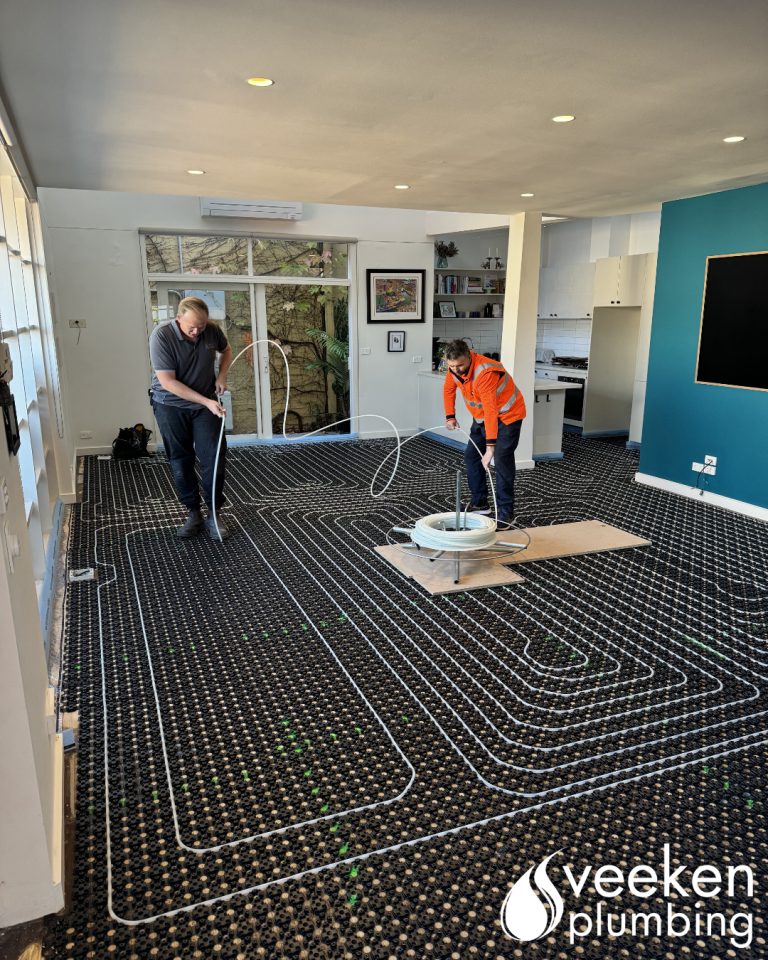
A hydronic boiler uses water or other liquid to transfer heat in your home. This hot liquid is circulated through pipes to warm up things like radiators or wall heating panels.
This heats your space with conduction and radiation, which eliminates cold spots and creates a comfortable climate for you and your family.
Efficient
Unlike forced air systems, which circulate heated air through vents in the walls and ceilings of buildings, hydronic boilers deliver radiant heat through a network of tubes. Usually made from cross-linked polyethylene (PEX), the tubing distributes hot liquid to radiators and hydronic baseboard heaters to provide warm, comfortable radiant heat.
A centralized heating system, typically a natural gas boiler, heats the liquid. The heat is delivered to the distribution system through a manifold, pumps, and thermostats. The system can also use wood furnaces or other heat sources.
Because the heat is transferred through thermal radiation, you can expect to save energy costs compared to forced air systems. This is especially true if the building has good insulation and air leaks are properly sealed.
Additionally, a hydronic system doesn’t use fans and doesn’t create dirt particles. This helps to lower dust mites and pollen levels in the home, which can help people with respiratory issues like asthma and seasonal allergies.
Even Heating
A hydronic heating system distributes heat evenly throughout your home, avoiding cold spots that are common with regular forced-air systems. It also doesn’t create dust and dirt like ducts do, which means you’ll have healthier air in your house.
Instead of relying on ducts, hydronic heating uses pipes to transport hot water from the boiler to your baseboards or radiators. The piping can be hidden in your walls or ceilings, making them less noticeable than ducts.
Air-based heating systems can also draw out moisture in the air, which causes dry skin, watery eyes, and irritated sinuses. The gentle circulating heat of a hydronic system produces hygienic, healthy air, which maintains a balance in your household’s humidity levels. Moreover, hydronic systems operate quietly and efficiently without the noise of furnaces firing up or blowers agitating ductwork and vents.
Longevity
Like any system, the longevity of a hydronic boiler is dependent on its regular maintenance. It’s best to enlist the help of a professional to do this. This will ensure that any small issues that may develop are dealt with quickly. This prevents them from growing into bigger problems that can affect the entire working capability of the heating system.
Unlike air-to-air heating methods, the boiler doesn’t have to heat the air. Instead, the boiler will use its fuel to heat a fluid. This fluid will then be pumped to the heat emitters throughout your home. This form of heating is much more energy efficient than ductwork, which also helps to cut down on your energy bills. However, the longevity of a hydronic system is also dependent on how well your home is sealed. Any air leaks can reduce the efficiency of your boiler and lead to higher energy costs. A regular check-up can keep this from happening.
Low Maintenance
Unlike forced air systems, which use ducts to distribute heated air, hydronic boilers heat homes through a network of pipes that distribute hot water or steam. This allows for more freedom with room design, as you do not have to worry about a duct system taking up space in walls or ceilings.
Hydronic heating systems also work quietly, as they do not displace air to warm your home. That means no more hearing the sounds of furnaces firing up and brisk movement of air through ductwork and vents, which can stir up dust, pet dander or other allergens.
The water circulating through the system also has less chance of clogging and requires fewer cleaning products to maintain. However, it is important to clean the heat exchanger regularly, which can be done by removing the boiler from its mounting bracket and using a water-powered pump to flush out any residue. This should be done at least once every five years.