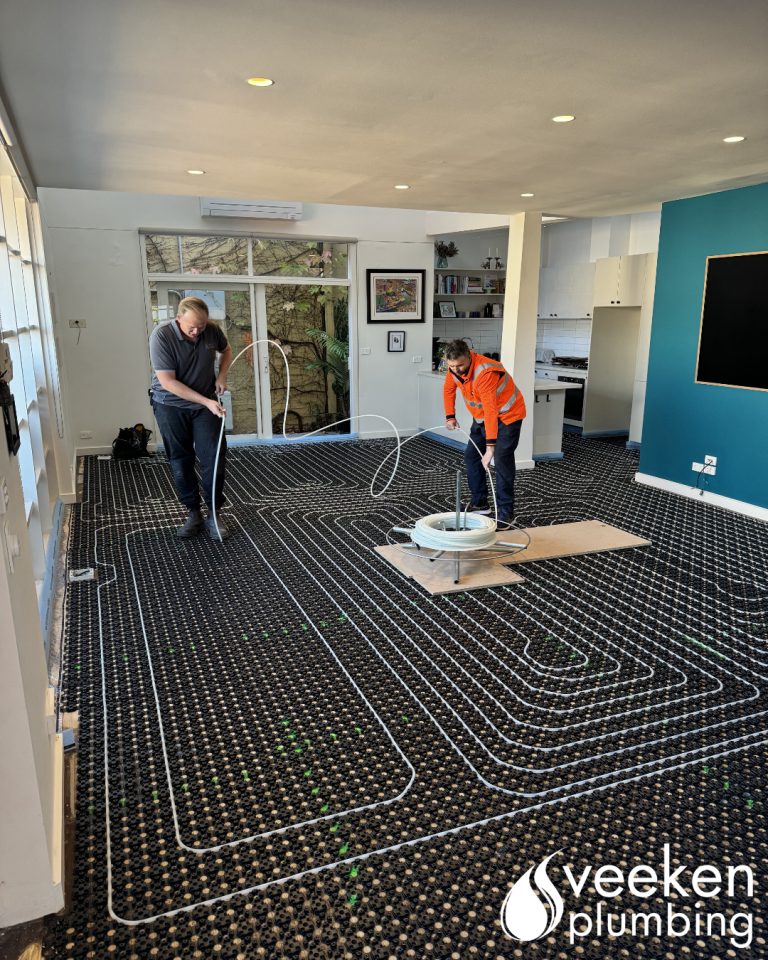
Hydronic hvac uses the conductive properties of water to heat and cool a home. Its closed loop means the same water is continuously recirculated and heated again, saving on fuel consumption and energy costs.
This is a great option for homes that want comforting heating without having to use a traditional system that emits dust, dirt, and allergens into the air. It also offers savings on heating bills due to its higher efficiency and quieter operation.
Cost
Hydronic heating systems are an energy-efficient and quiet option for warming your home. They use tubing that runs under the floor, along baseboards or through radiators to distribute hot water or alternative heated liquid throughout the space.
Because water is a better conductor of heat than air, it can help to reduce the amount of electricity used for heating a room. Also, it can be reheated many times over, which can save you money in the long run.
The cost of hydronic hvac depends on several factors, including the type of heating system you choose, the size of your home and the location where it will be installed. The price for a new system can vary from around $3,200 to $7,700 depending on the model you choose.
It’s important to note that the cost of hydronic hvac does not include installation, which can range between $695 and $875 for each unit. This is a fairly significant initial investment and a good reason to shop around for a hydronic heating system.
Energy Efficiency
Hydronic hvac is an energy-efficient way to heat your home. This system doesn’t require ducts to distribute the heat, so it won’t cause air leaks and can help lower your heating costs.
Water is a better conductor than air, which means it can limit the amount of energy that it uses to warm up a space. This makes hydronic hvac more efficient than traditional systems that use forced air.
This type of heating is also very quiet and doesn’t release dust into the air, which can lead to allergies flaring up again and again.
Another benefit is that hydronic hvac has a higher efficiency rating than VRF (variable refrigerant flow) HVAC systems. In fact, even the most basic hydronic hvac systems outperform their VRF counterparts by 30 to 40 percent.
Hydronic heating can also be powered by a variety of energy sources, including natural gas or liquefied petroleum gas (LPG). This can lower your overall energy and electricity usage while keeping your home comfortable year-round.
Installation
Hydronic hvac systems are a great option for homeowners who want to improve the efficiency of their homes. They also are more affordable than ducted systems and can save you up to 20% on energy costs.
Aside from being more efficient, hydronic heating systems are quieter than air conditioners and can help reduce humidity levels in your home. This makes them a good choice for those with respiratory issues or allergies.
Moreover, hydronic hvac is a great option for businesses that are looking to improve the energy-efficiency of their buildings. It’s on the expensive side of the spectrum, but it can be worth it in the long run.
One way to ensure your hydronic heating system stays in top shape is to schedule yearly inspections with a licensed HVAC technician. This will minimize the amount of maintenance that you need to do yourself and keep your heating system running at its optimal level of comfort and efficiency.
Maintenance
Throughout time, hydronic heating systems have stood up to the test of time and provided homeowners with comfort-filled homes that are filled with warmth. Like vehicles, however, hydronic heaters have to be regularly serviced and maintained to ensure optimum performance.
With the right information, homeowners can play an important role in the maintenance of their hydronic heating system. By learning about the process, they can better take care of their home’s heating system and keep common issues at bay.
Much like the list for professional maintenance tasks, this list is not complete but it does give homeowners a basis to take a proactive approach to their system upkeep. Performing inspections and scheduling annual professional maintenance is a good place to start, and as homeowners learn more about their hydronic heating system, they can discover a number of ways to help themselves. These efforts will improve overall home comfort and efficiency, as well as lower energy and heating oil expenses.