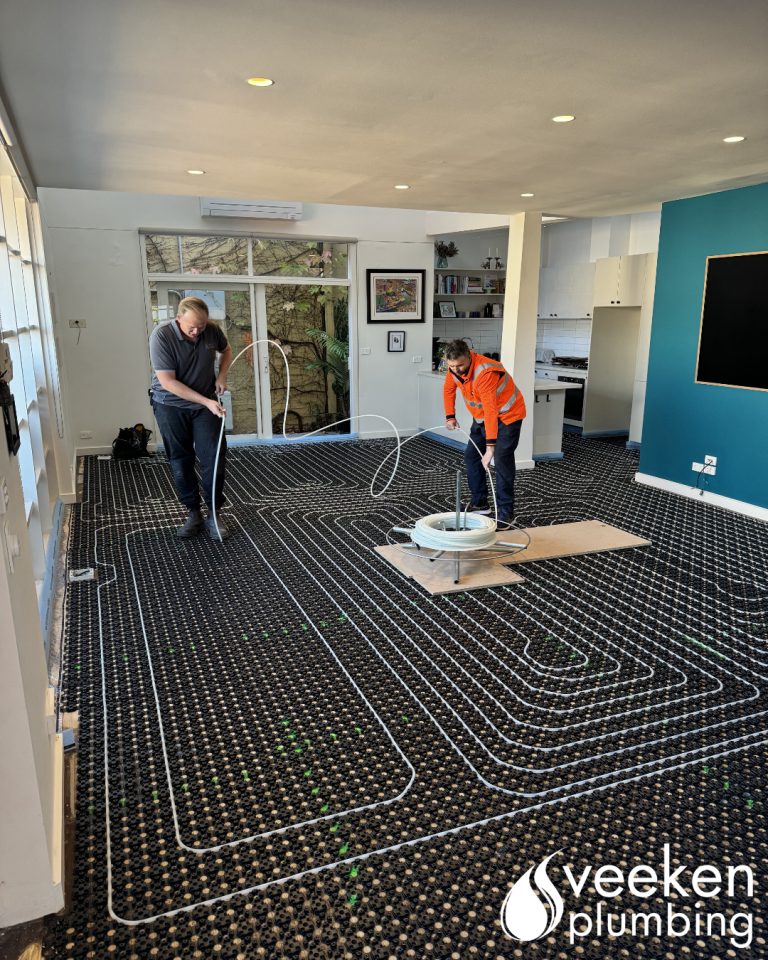
Hydronic heating is an energy-efficient, clean, and comfortable home-heating solution that uses water dispersed through pipes to evenly heat your home.
Unlike forced air systems, which blow warm air through ductwork to different areas of your home, hydronic heating circulates heated water throughout your home via a sealed pipe network.
Radiant Heat
Radiant heat works on the principle of conduction and radiation to warm objects. When a hydronic heating system heats water, it first transfers heat via conduction to the floor or walls.
The hot water then flows through a network of pipes to heat radiators and other surfaces in your home. These systems are typically used in larger buildings, such as schools, hospitals and offices, but they can also be used on a smaller scale for residential homes in warmer climates.
It is a more comfortable way to heat your home than forced air because it delivers the warmth directly to where you are. There are no drafty ducts, and the warmer air rises rather than blowing around the room like forced air. It also doesn’t dry out the air, which can irritate sinuses and nasal membranes. It’s also quieter than traditional HVAC heating systems that make a whooshing noise when they cycle on and off.
Water Heater
Hydronic heating, also referred to as radiant heat, is a highly efficient and versatile form of heating that circulates heated water through sealed pipes. This hot water then radiates through wall-mounted radiators, convectors or underfloor systems to provide comfortable and consistent warmth throughout your home.
While water absorbs and conducts more heat than air, it can take a long time to warm a room because it needs to travel through the entire system. This means hydronic heating is more suited to moderate climates or where consistent temperatures are needed.
Hydronic heating is also safe, environmentally friendly and cost-effective to run. The heated water is well below boiling point and the surface areas of radiators and towel rails will not burn or scald little hands, making them a great choice for families with young children.
Forced Air
A forced air system is one of the most common ways to heat a home. It uses a furnace and air ducts to distribute warm air throughout the home.
Forced air systems can be noisy and stir up dust and other allergens in the air that may trigger allergies or asthma attacks. If a duct breaks or the furnace burns out, carbon monoxide can find its way into the air supply, which is bad news for everyone in the house.
Another major problem with forced air systems is uneven air distribution. This is due to the design of the ducts and vents which may obstruct airflow, heating rooms unevenly.
The quality of the air distribution is also affected by other factors such as furniture and interior design. It’s important to get your contractor to correctly install the air ducts and vents for a properly functioning forced air system.
Energy Efficiency
Hydronic heating is an eco-friendly and energy efficient way to heat your home. It uses minimal energy and can be up to 35 percent more cost effective to run than ducted systems.
It works by circulating hot water through pipes embedded under floors. These can be plastic PEX pipes or copper tubing, depending on the type of system you choose.
Unlike forced air systems, hydronic heating does not push dust and mold around the room. This can lead to healthier air quality for you and your family.
You can also set temperature zones with a hydronic heating system and save even more money on your energy bill. This is a big reason why so many people opt for hydronic over other methods of heating.
The most important thing to remember is that when it comes to energy efficiency, a hydronic heating system will definitely win. However, you will still need to insulate your home properly if you want to get the most out of it.