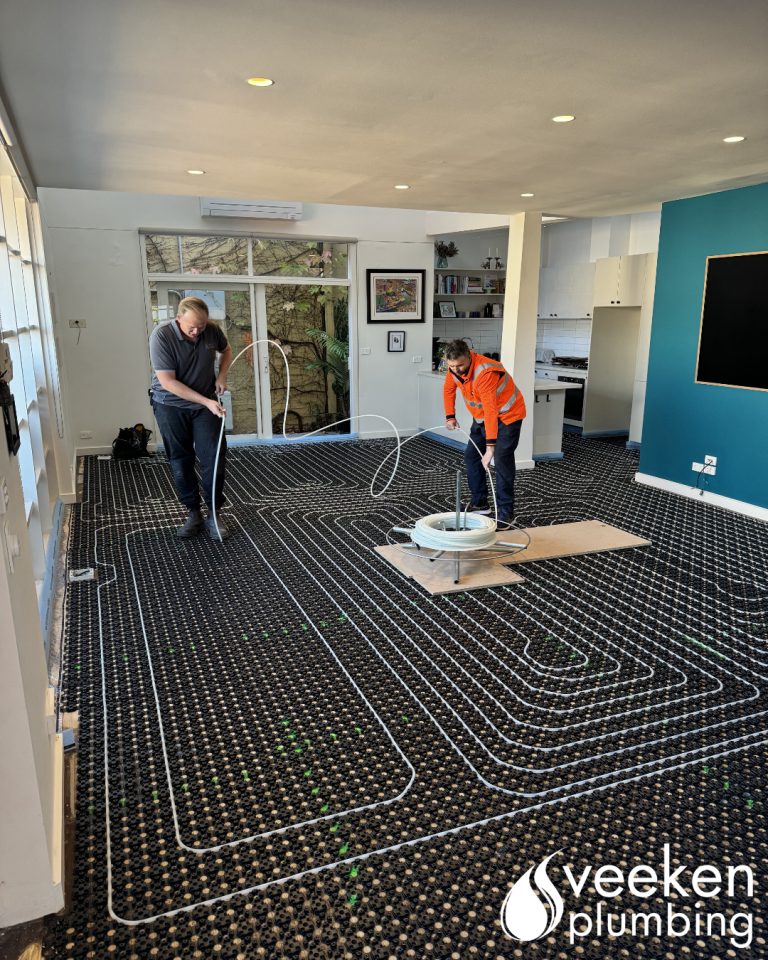
When it comes to heating your home, there are many options to choose from. One option is to install a hydronic furnace. This can be an extremely efficient and cost-effective way to heat your home. However, there are a few things to consider when choosing this type of system.
Radiant floor heating
Radiant floor heating costs vary, depending on the type of system you choose. A hydronic heating system can cost as little as $6 to $20 per square foot, while an electric system is more expensive. In addition to the cost of installing the system, you may also have to pay for a water heater.
One of the best ways to save money is to install a radiant heating system. It can provide consistent heat across your entire floor, eliminating the need for ductwork and ensuring a more comfortable home.
Installing a radiant heating system can be an expensive project, but it can save you 15 percent on your home’s heating bill. The amount you’ll save will depend on the size of your house and the number of temperature zones you’d like.
An electrician will charge between $85 and $200 to install a radiant floor heating system. You’ll need to add another $50 to $500 for a new water heater, which is necessary for a hydronic heating system.
HVAC heating costs more than hydronic radiant heating
If you are in the market for a new heating system, you may be wondering whether HVAC heating or hydronic radiant heat are the better choice. Both have their advantages and disadvantages. Ultimately, the decision you make will depend on your needs and budget.
If you are looking for an efficient, low-maintenance heating solution, radiant heating is the way to go. It is also less expensive than conventional forced-air systems. You can expect to see a 10-30 percent reduction in your energy bill.
A hydronic radiant heat system uses a boiler to warm water and circulate it through pipes under the floor. It is highly efficient and can reduce the temperature by 6-8 degrees without losing comfort. Depending on the size of your home and the type of system you choose, installation costs can run from $6 to $20 per square foot.
Heating with a gas or electric boiler can cost anywhere from $1 to $5 per hour. They use a lot more energy and can be noisy.
Combined hydronic air handler
Using a hydronic furnace and air handler can be a great way to heat and cool your home. It’s more energy efficient than a conventional furnace and can be used to provide additional space heating as well. You can also install a hydronic air conditioning system, as some models are designed to work with these systems.
Hydronic systems work by using a boiler, which is a source of hot water. This is then pumped through a coil to pick up heat and circulate it around the building.
A hydronic air handler works by pulling in hot water from a tankless water heater and heating the air. The air then goes through a blower that circulates the air through the ducts in the building.
With a hydronic air handler, you can select a specific zone to heat or cool. The system also offers the advantage of a quiet operation.
In addition to being more energy efficient, hydronic air handlers can help you save on utility bills. They also use less fuel and have fewer standby losses.
Geothermal radiant flooring
If you are interested in installing geothermal radiant flooring, you are probably wondering about the cost. The installation costs vary depending on the type of flooring and the type of system that you choose. It’s important to know that the amount of time that you will need for installation will greatly affect the overall cost.
Typically, a professional will install a system for around $11 per square foot. However, a DIY installation can cost less than half that. A hydronic system costs around $2 per square foot while an electric system will cost $4 per square foot.
Adding an existing boiler to your home can also reduce the installation costs. A gas or propane boiler is the most popular choice. Installing a new boiler can cost $3,200 to $9,000 more.
Geothermal radiant heat is a form of heating that uses thermal energy from the earth to heat water. These systems can also include a heat pump. They are less expensive than other types of systems, and the Inflation Reduction Act provides a 30% tax credit.