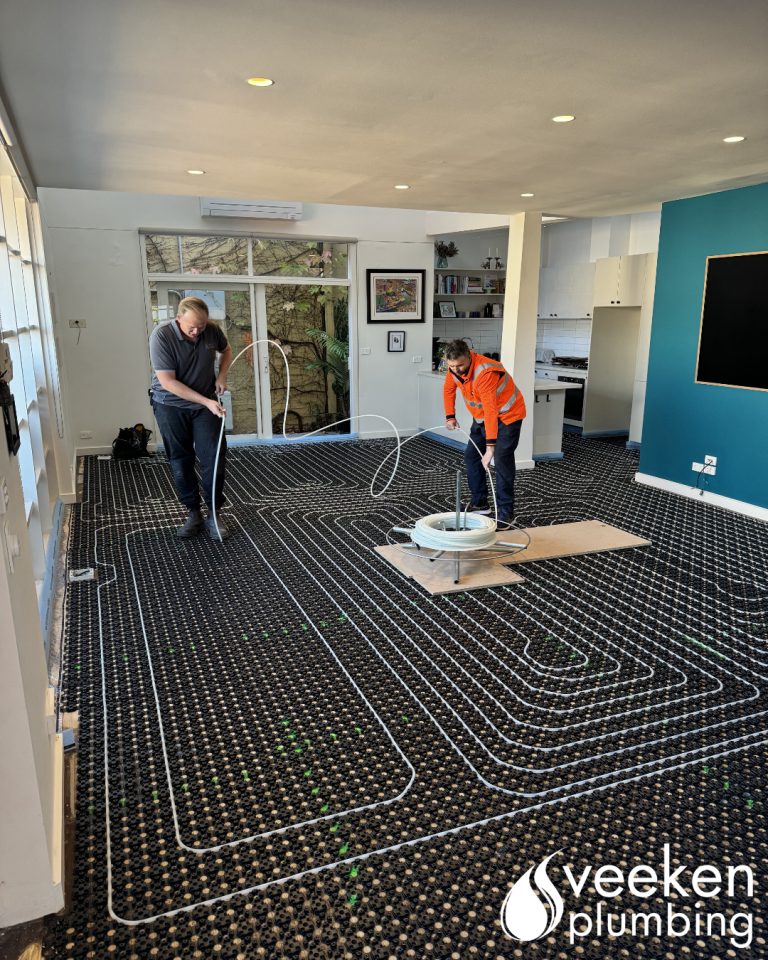
Hydronic system heating is a very popular way of heating up a home. This is because it can be done with minimal energy expenditure. It also uses water, which is a very good resource for heating up a house. A typical hydronic system will feature a condenser 56, a wet underfloor heating system and a heating pump.
Wet underfloor heating
Wet underfloor heating is a fantastic way to warm up your home. It is also a lot cheaper to run than electric systems. You can save up to 70% on your energy bill. A wet underfloor system is ideal if you are building a new home or renovating.
A wet underfloor heating system consists of a network of pipes installed underneath your flooring. The heat produced by these pipes is then distributed evenly across the floor.
In order to properly install this type of heating system, you should first prepare your floor. This is accomplished by laying down an insulating screed. These can be made from sand or cement. Once the screed is in place, the next step is to install hot water pipes.
The temperature of the water depends on the thickness of the screed. For the best effect, you should use a dense laminate flooring.
Although wet underfloor heating has more benefits than its dry counterpart, a dry underfloor heating system has its own advantages. Unlike wet underfloor heating, a dry system does not require a layer of concrete.
RV hydronic heating systems
Hydronic heating systems are designed to maintain a comfortable temperature in your RV. The heat is transferred through metal pipes and smaller fans, which are often quieter than the noisy forced air systems that are common in motorhomes.
Unlike a propane furnace, hydronic systems can provide both hot water and heat. They are also more energy-efficient, allowing you to keep your rig comfortable in the cold.
You can use diesel, gasoline, or propane to power your system. Generally, the systems are installed in the outside bay or cargo area of your rig.
There are several different types of hydronic systems on the market. Some offer on-demand hot water and some are specifically designed for heating storage bays.
The most popular RV hydronic system is Aqua-Hot by Airxcel. This company makes models with electric and propane heating elements. It also offers annual maintenance kits to replace various filters.
While hydronic systems are often more expensive than forced air systems, they tend to be more efficient and have fewer hot spots. In addition, they are ideal for all-weather travel.
Condenser 56
A hydronic system heating condenser 56 is an important component of a heat pump recovery system. This device provides thermal energy to a water circulating loop within a building. In an improved air source heat pump system, this is achieved using a rotary screw compressor/expander.
The evaporator and heat transfer coils are located on the exterior of the building. Alternatively, they may be heated by a solar system. Some units serve the shady side of a building and require heating, while others may need cooling.
To obtain maximum thermal efficiency, the discharge of the expander is directed to the hydronic system heating condenser. This is done with a control valve 126. Refrigerant vapor from the expander is delivered to the hydronic system heating condenser at an intermediate pressure relative to the suction of the compressor.
A water chilling evaporator 64 is also part of the heat pump system. Similarly to the evaporator 60 in FIG. 1, this coil is also an air cooled condenser.
Simulation methodology
Simulation of hydronic system heating systems can be difficult. It requires knowledge of the initial conditions of the system and the time-dependent temperature phenomena. Consequently, it is necessary to perform sensitivity analysis.
Several simulation programs were evaluated. However, most of them were limited in their capacity for computing. They did not include feedback from the central plant. Additionally, most of them simulated the building envelope in three separate steps. Nonetheless, they were able to provide a general thermal model. These two-dimensional numerical models were able to predict the steady state temperature profile.
After the simulation was completed, the results were compared with the measurements of a bungalow style house with hydronic heating. This showed that the simulation software had the potential to simulate hydronic systems. Furthermore, the numerical model was calibrated using the experimental campaign results. The results of the experiments were compared with the predicted values of the thermal model to verify the influence of the heat source.