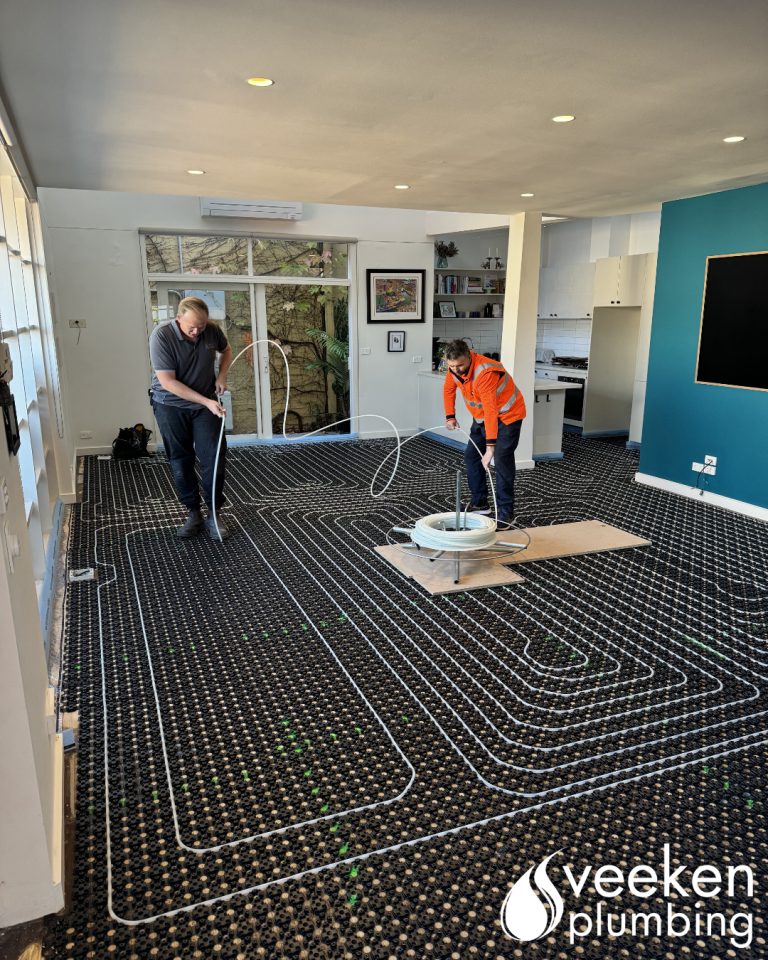
A hydronic solution is a system that is used for heating and cooling a home. It is designed to make the process of heating and cooling a house simpler, more convenient and cheaper. The system can use various types of pipe and fittings to carry hot and cold water to the various rooms in your home. These include PEX, CPVC, copper and brass.
CPVC
If you’re building a new home or remodeling, you might be faced with the decision of which water distribution system piping to use. The options include PVC, PEX and CPVC.
Each of these pipe types has its benefits. For instance, CPVC is resistant to chemicals. It is also easier to install than PVC. And it is more tolerant to temperature changes inside the pipe. However, CPVC is more expensive.
Besides its durability, CPVC has the ability to be molded into various products. These include pipes and fittings. This allows you to choose from many different styles and colors. You can also use CPVC for outdoor applications.
CPVC is highly recommended for hydronic heating systems. It is also ideal for hot water lines in businesses. CPVC is also highly resistant to scale buildup and residues. In addition, it’s approved by the National Fire Protection Agency for use in sprinkler systems.
CPVC is also suitable for drainage systems. However, it is less suitable for use in vent systems. Another drawback of CPVC is its tendency to break. It has a maximum temperature rating of 200 degrees Fahrenheit. CPVC can be welded with solvent cement, but only for connections from half an inch to two inches.
CPVC is also recommended for use in heat exchangers. However, it is important to protect the material from corrosion. Compressor oil may damage the recirculating fluid. Also, if you use polyol ester oil with CPVC, you may experience pinhole leaks.
If you’re planning to use CPVC for a hydronic heating or cooling system, you need to consider the risks. CPVC can crack or burst in cold temperatures. Leaks from fittings can occur when water moves and shifts the foundation.
You’ll need to constantly monitor the water quality in your hydronic system. This can be a hassle. A better option is to use a grooved mechanical pipe joining system. Using a solution like this can help reduce the amount of time it takes to connect the pipes and prevents leaks.
PEX
There are many advantages of using PEX as a hydronic solution. These include reduced liability, time and materials savings, and improved indoor air quality. If you are looking for a durable, affordable way to distribute heat and hot water, PEX is the answer.
PEX is a durable, flexible and versatile piping material that is suitable for many applications. In addition, it is easier to install and quieter than most other piping materials. It is also a perfect choice for compressed project cycles.
PEX for hydronic piping applications comes in a wide range of sizes and lengths. The most common sizes for residential installations are 13mm, 19mm, and 25mm. Several different manufacturers produce subtle variations. For instance, some manufactures use PEX-A instead of copper, and some provide additional options.
One of the most important advantages of PEX is the fact that it is thermally resistant. This means that it does not melt or degrade like elastomers or plastics. Unlike copper, PEX does not lose its elasticity over time. Moreover, the pipes can be laid out in continuous loops, saving money and time.
Another advantage of using PEX is its ability to reduce the number of connection points. For example, there is no need to add an icemaker or a water heater to the system. Additionally, a manifold system lets you control the flow of heat and water to various zones. Some systems even include fan-coil units.
PEX for hydronic piping systems is ideal for both new and retrofit projects. As a result, more and more mechanical contractors are installing the material in their projects.
Another benefit is that the material can be installed in small or large areas without compromising its performance. In fact, it can be used for radiant floor installation and domestic water system installation.
PEX pipe has been used in several senior housing expansion projects. PEX is also more effective than other piping materials.