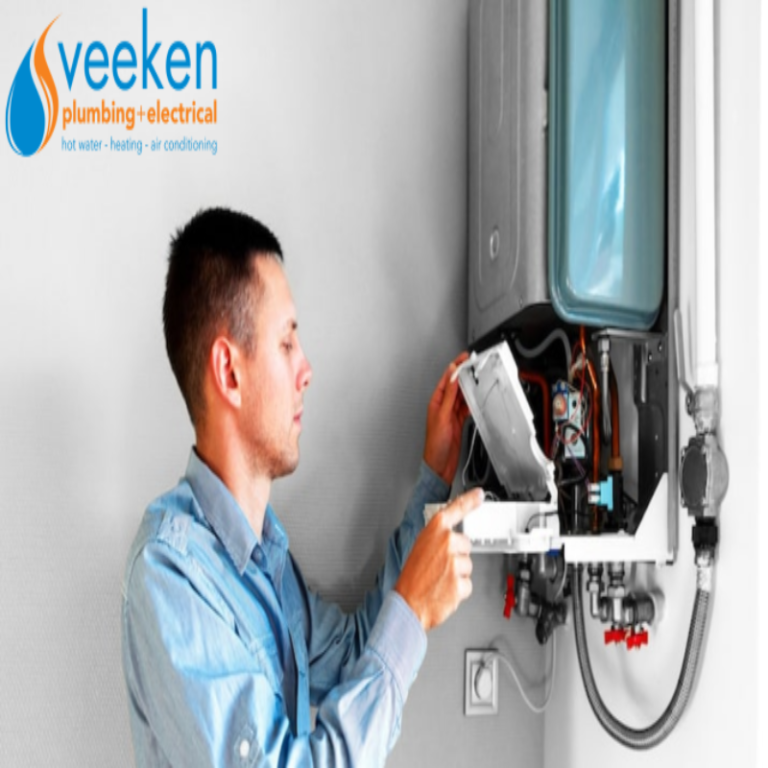
Different Types of Water Heater
Water heaters are one of the most common types of central heating systems in use today. Water heating is a means by which water is heated over its initial temperature to create a flow of vapor for use in a heating system. Typical domestic applications of hot water are bathing, cooking, cleaning, and even space heating. In the commercial industry, water heated to very high steam have several important uses.
One of these uses is as a refrigerant for Point-of-Use (POE) water heaters. A Point-of-use (POE) water heater is one that is capable of directly heating water rather than using an oil-based medium. For this reason, they provide a much higher degree of control over temperature and lessens the amount of potential waste heat loss from a system. This benefit is especially important when considering that many rural POE systems may be operating at temperatures as low as 100 degrees below what is considered comfortable for the majority of people living in the home.
As is typically the case with water heaters that use a petroleum-based medium, a major challenge with this type of water heater is the potential for oil to be leached into the tank. To address this issue, most manufacturers of point-of-use water heaters use vented oil tanks. The mechanism for venting is usually by opening a drain valve or by simply turning off the mains. This allows for a constant stream of fresh air to vent the tank, thus preventing oil from accumulating in the bottom of the tank and potentially making it faulty and more susceptible to failure.
Another key point in preventing oil from becoming a problem for a water heater is to place a drainback valve close to the point-of-use area. This drawback is located close to the point-of-use area, but removed and accessible by only the owner and technician. The valve is designed to automatically open and close as needed to prevent oil from dripping into the drain. This valve is often made out of brass, which ensures that a quality valve is used. However, other valve housings may be available in different materials, including steel, nickel and PTFE, all of which may offer different qualities and options when it comes to venting and draining the tank.
One aspect of the heater itself that may be of particular concern to some people is the lack of a hot water supply. While some water heaters can be cooled by running the water through a cooling unit – typically a small refrigerator – some do not. In this case, an electric heater is required to keep the tank at a constant temperature. Electric water heaters are generally very affordable, while the refrigeration elements of some models can be expensive. This fact may be an issue for those who have a refrigerator in the home that they use for storing water when the tank is not in use.
One final type of water heater is the gas water heater. Unlike the electrical models, this type does not use a storage tank for storing heated water. Instead, it uses an exhaust flue. It is important to note that an exhaust flue must be properly installed in order to prevent carbon monoxide poisoning. If it is not installed properly or if the flue is damaged somehow, it may cause the gas to escape and potentially pose a hazard to all family members, particularly young children. The electric models are generally more efficient, although some gas water heaters do have greater capacity than others when it comes to heating up water.